Comfort Is Not a Luxury: How Your Car's Interior Affects Everyone Inside It
There's a particular kind of silence that settles in a car about forty minutes into a long drive. Not the peaceful kind — the tense kind. Someone's back is aching. Someone else is too warm. The kids have stopped talking because they're uncomfortable rather than content. And the driver, trying to focus on the road, is quietly absorbing all of it.
We tend to think of car comfort as a nice-to-have. Something you get with a premium trim level, not something you build yourself. But the reality is that an uncomfortable vehicle costs you more than you might realise — in mood, in health, and yes, in the quality of your relationships on the road. The good news? Most of it is fixable without replacing the car.
The Hidden Toll of a Poor Driving Environment
Let's start with the physical side. Sitting in a poorly supported seat for extended periods puts real strain on the lumbar spine, hips, and shoulders. For drivers, this is well-documented. For passengers — especially those stuck in the back — it's often worse, because they have even less control over their position and no steering wheel to brace against.
Research consistently links long periods of unsupported sitting with lower back pain, reduced circulation in the legs, and increased fatigue. On a two-hour motorway run, that's significant. On a four-hour family trip to Cornwall, it's a recipe for everyone arriving in a foul mood before the holiday's even started.
Then there's temperature. The UK's climate is notoriously unpredictable, and car heating and ventilation systems are often either underpowered or uneven — roasting the front passengers while leaving the rear seats cold, or vice versa. Passengers who can't regulate their own temperature become irritable faster. It sounds trivial. It isn't.
Noise is another factor that gets underestimated. Road noise, wind, engine drone — over time, these force everyone in the car to speak louder, concentrate harder, and arrive more drained than they should be. For children, it's overstimulating. For older passengers, it can make conversation almost impossible.
Seat Support: The Foundation of Everything
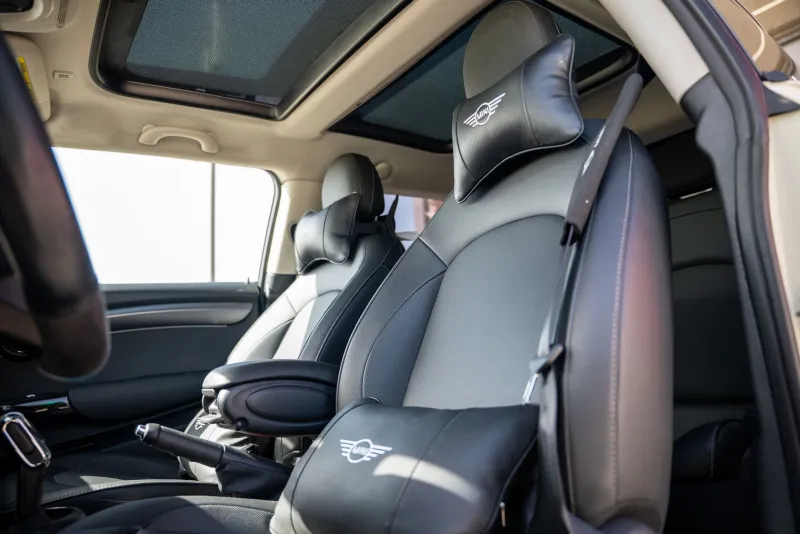
If there's one area worth spending money on, it's seat support. Aftermarket lumbar cushions and memory foam seat pads have come a long way — the better ones are genuinely transformative on longer drives, offering contoured support that many standard car seats simply don't provide.
For drivers, a proper lumbar support cushion that attaches securely to the seat back can reduce fatigue noticeably on journeys over an hour. Look for ones with adjustable straps and breathable covers — cheap foam versions tend to compress quickly and lose their shape.
For rear passengers, a wedge cushion that tilts the pelvis slightly forward can make a significant difference to comfort on longer trips. These are particularly useful for older passengers or anyone with existing back issues.
Heated seat covers are another upgrade worth considering, especially for UK winters. Plug-in versions that run off the 12V socket are affordable, quick to fit, and genuinely appreciated by passengers who spend journeys huddled against cold doors.
Temperature Control Beyond the Dial
Most cars give you one or two temperature zones at best. If you regularly carry passengers, that's rarely enough. There are a few practical ways to bridge the gap.
Portable rear-seat fan attachments that clip onto headrests are surprisingly effective in summer — they improve airflow to back-seat passengers without requiring any permanent modification. For winter, small 12V heated throws or travel blankets are an easy solution for passengers who run cold, particularly children on early-morning starts.
Sun shades for rear windows are another underrated comfort tool. They reduce solar heat gain significantly in summer, cut glare, and make a real difference to how pleasant the back seat feels on bright days. Retractable mesh versions that fit most window sizes are easy to store and quick to deploy.
Tackling Noise Without a Refit
Full sound deadening is a job for a professional installer, but there are simpler steps that make a noticeable difference. Door seals wear over time and can be replaced relatively cheaply — a fresh seal dramatically reduces wind noise at motorway speeds.
For an even simpler fix, acoustic mat strips applied to the boot floor and wheel arch liners can reduce road noise in the cabin without any specialist work. These are particularly effective in older vehicles where the factory insulation has degraded.
For passengers, a decent pair of noise-isolating earphones or earplugs might sound like an odd recommendation, but for anyone sensitive to noise — children with sensory needs, older passengers, or anyone who struggles to sleep in the car — they're genuinely useful to have as an option.
The Relationship Argument
This might sound like a stretch, but bear with it. The quality of a shared journey affects the quality of the time that follows it. A family that arrives somewhere stressed, uncomfortable, and irritable starts their trip on the back foot. A couple who've spent three hours bickering about the temperature or complaining about sore backs doesn't arrive refreshed.
Investing in comfort isn't indulgent — it's practical. The accessories involved are relatively inexpensive, they're transferable between vehicles, and they pay dividends every single time you use them. A good lumbar cushion, a rear-seat fan, some window shades, and a heated throw can turn a car that everyone tolerates into one that everyone actually enjoys being in.
That's worth more than most people give it credit for.
Where to Start
If you're building out your car's comfort setup, prioritise in this order:
- Seat support — lumbar cushions for driver and front passenger first, rear wedge cushions if you regularly carry adults on long trips.
- Temperature management — window shades for summer, a heated throw or seat cover for winter.
- Noise reduction — check your door seals, consider acoustic mats for the boot area.
- Small extras — headrest-mounted fans, travel pillows for rear passengers, and decent storage options so everyone can keep their essentials within reach.
None of this requires a new car or a significant budget. It just requires thinking about the people in your vehicle as more than an afterthought — and treating their comfort with the same seriousness you'd give a tyre pressure check or an oil change.
Because a car that everyone wants to be in? That's the best upgrade of all.