Five Minutes Before You Drive: The Pre-Journey Checks Most of Us Are Guilty of Skipping
Be honest. When did you last crouch down and actually look at your tyres before setting off? Not glance at them from the kitchen window while juggling a travel mug — properly check them. If you're drawing a blank, you're not alone. Research consistently shows that a significant chunk of UK drivers skip routine pre-journey checks entirely, not out of laziness exactly, but because nothing has gone wrong yet. And that's precisely the problem.
We're wired to respond to problems, not prevent them. It's the same reason most of us don't book a dentist until something hurts. But with cars, the consequences of that mindset can range from an annoying and expensive breakdown on the M6 to something far more serious. So let's talk about what you should actually be checking, why it matters more than the Highway Code ever made it sound, and how to make the whole thing feel less like a chore.
Why We Skip It (And Why That Logic Doesn't Hold Up)
There's a quiet psychological trick most of us play on ourselves: if the car started yesterday, it'll start today. If the tyres looked fine last week, they're probably fine now. This is what behavioural researchers call status quo bias — the assumption that things are as they were, even when they're not.
The trouble is, cars degrade gradually. Tyre pressure drops at roughly 1 PSI per month just from temperature changes alone — and that's before you factor in the cold British winters that accelerate the process. A tyre that's 8 PSI underinflated doesn't look obviously flat. It just looks… like a tyre. But it's handling worse, wearing unevenly, and quietly increasing your stopping distance.
Same goes for engine oil, coolant, and brake fluid. These don't announce themselves. They just quietly hit a level that causes damage — and by the time a warning light appears, you're often already looking at a bill.
What Actually Needs Checking (and How Often)
You don't need to be a mechanic to run a solid pre-journey check. You just need a system. Here's what to cover:
Tyres
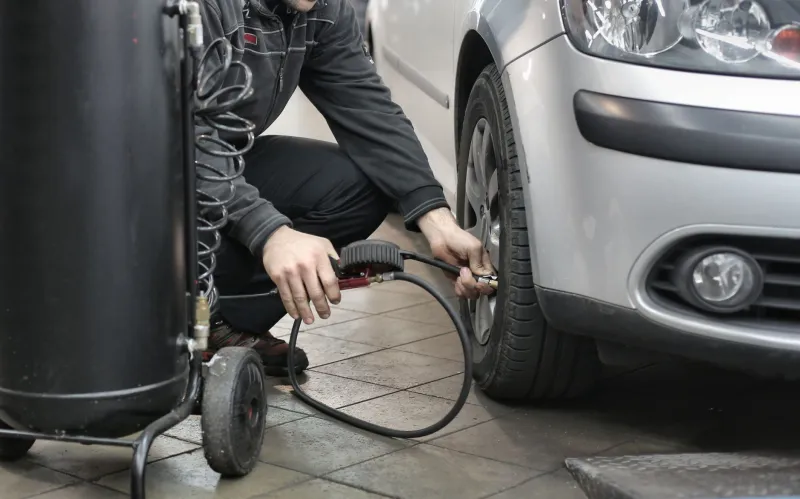
This is the big one. Check pressure weekly if you can, and always before a long run. The correct pressures for your car are in the handbook and usually on a sticker inside the driver's door frame. Don't go by feel — get a decent tyre pressure gauge and use it. While you're at it, have a look at tread depth. The legal minimum in the UK is 1.6mm, but many safety organisations recommend replacing at 3mm. A 20p coin is the classic check: insert it into the tread groove with the Queen's head facing down. If you can see the top of her head, you're close to the limit.
Also check for visible damage — cuts, bulges, or anything embedded in the rubber. A nail in a tyre isn't always obvious, but it can cause a slow puncture that catches you out miles from anywhere.
Fluid Levels
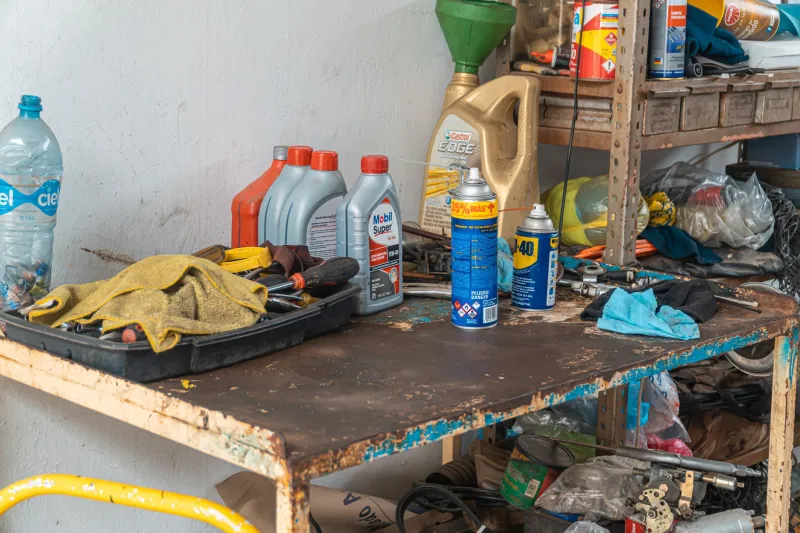
Engine oil, coolant, brake fluid, and windscreen washer fluid. These are all accessible under the bonnet with a two-minute check. Oil and coolant are the most critical — running low on either can cause serious engine damage. Brake fluid levels can also indicate worn brake pads (the level drops naturally as pads wear), so it's worth keeping an eye on.
Washer fluid might feel trivial, but driving in the UK in winter or behind a lorry on a wet motorway with an empty reservoir is genuinely dangerous. Keep a bottle of concentrate in the boot and top it up regularly.
Lights
A quick walk-around to check all lights are working takes under a minute. Headlights, brake lights, indicators, and fog lights. It's worth having someone press the pedals while you check the rear lights — or use the reflection in a garage door or wall. A blown bulb isn't just an MOT fail waiting to happen; it's a safety issue and a reason for police to pull you over.
Wipers
Britain's weather makes wipers essential kit. Smearing, squeaking, or skipping across the screen are all signs they need replacing. Most wiper blades last around 12 months before the rubber starts to degrade, and they're inexpensive to swap out. Don't wait until you're doing 70mph in a downpour to discover yours are useless.
Mirrors and Visibility
Quick adjustment check before every journey — especially if multiple people use the car. And clear any condensation, frost, or misting before moving off. Driving with a partially obscured windscreen is illegal and genuinely risky.
Building the Habit: The Five-Minute Ritual
The reason most of us don't do this consistently isn't ignorance — it's habit, or the lack of it. The trick is to attach the check to something you already do. Walk around the car while your engine warms up. Check the fluids while the kettle boils on a Sunday morning. Make it part of the routine rather than an interruption to it.
A simple checklist stuck inside the glovebox or saved on your phone removes the mental load of remembering what to check. Here's a stripped-back version you can use:
Weekly (or before a long journey):
- Tyre pressures (all four, plus spare if applicable)
- Tyre tread and visible damage
- Engine oil level
- Coolant level
- Washer fluid level
Monthly:
- Brake fluid level
- All lights functioning
- Wiper blade condition
- Battery terminals (especially in older vehicles)
Before every drive:
- Mirrors adjusted
- Windscreen clear
- Dashboard warning lights clear
That's it. Print it, screenshot it, or just read it enough times that it sticks. The point isn't perfection — it's consistency.
The Cost of Getting It Wrong
A new tyre because you drove on a slow puncture too long: £80–£150. A new set because of uneven wear from chronic underinflation: £300+. An engine rebuild from running low on oil: thousands. A roadside callout on a Sunday evening on the A1: soul-destroying.
Contrast that with a decent digital tyre gauge (around £15), a torch to check under the bonnet in the dark, and five minutes of your time. The return on investment is almost absurd.
More importantly, a car that's properly maintained handles better, stops shorter, and gives you more warning when something is actually going wrong. That's not a small thing on roads that can go from clear to treacherous in the time it takes a weather front to move in from the Atlantic.
Make It Your Ritual
The drivers who never seem to have breakdowns, who don't end up stranded, who get years out of their tyres and engines — they're not lucky. They've just made a habit of paying attention before something goes wrong rather than after.
At Palm Equipment, we're all about being properly prepared — whether that's for a daily commute or a weekend expedition into the hills. The gear matters, but the habits matter more. Five minutes before you drive is a small investment. The alternative can be a very expensive, very inconvenient lesson.