Fighting Grime on the Go: The Car Cleaning Kit Every British Driver Should Be Carrying
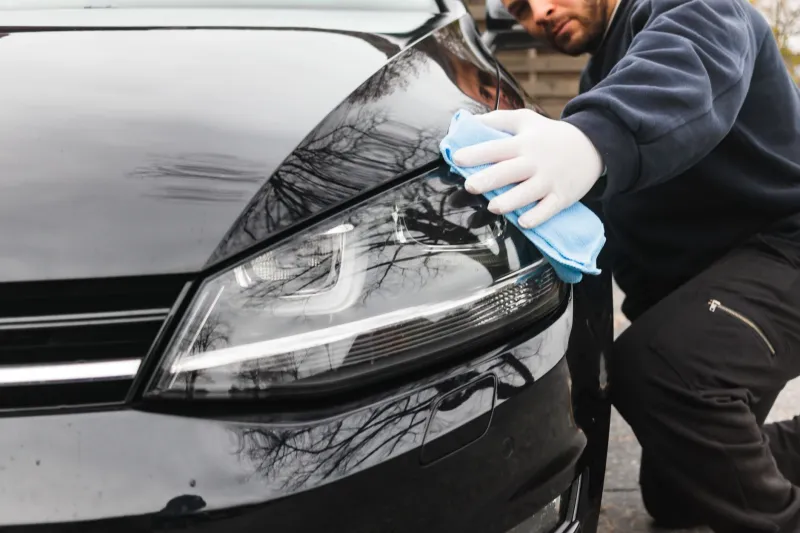
Britain is, let's be honest, not exactly kind to cars. Between the salt they lay on roads from October onwards, the fine grit that gets kicked up on country lanes, the muddy laybys, and the relentless cycling between wet and dry that does such a number on rubber seals and painted surfaces — your car takes a battering that most people only really notice when they're stood next to someone else's freshly valeted motor.
The instinct for most of us is to book a full valet every few months and not think about it in between. But that approach has a hidden cost — and it's not just financial. Every week you leave salt residue sitting on your sills, or road grit embedded in your clearcoat, is a week that damage is quietly accumulating. Regular, light maintenance does far more for your car's paintwork than occasional deep cleans separated by months of neglect.
The good news is that you don't need a pressure washer, a detailing bay, and a weekend free to do something meaningful. The right portable kit — stuff that lives in your boot and actually gets used — can make a real difference.
Why Between-Wash Care Actually Matters
Paint damage doesn't usually happen in one dramatic incident. It's cumulative. Road salt is particularly nasty: it's corrosive, it holds moisture against metal surfaces, and it works its way into tiny chips and scratches that you'd never otherwise worry about. In the UK, most councils start gritting from late October, which means you've potentially got five or six months of salt exposure every year.
Grit and fine stone chips act like sandpaper when they're sitting on your paintwork and another vehicle's wash sends a wave of water across them. UV from the sun — yes, even British sun — degrades clearcoat over time, making paint look dull and flat and leaving it more vulnerable to everything else.
The counterargument to doing anything about this is always 'it's just a car.' Fair enough. But paint repairs are expensive, and a car that's maintained its finish is worth meaningfully more at resale. Think of the cleaning kit as a long-term investment rather than a vanity project.
The Case for Waterless Wash Solutions
If you're travelling — at a campsite, a remote car park, a mate's driveway without a hosepipe — a traditional bucket-and-hose wash isn't an option. This is where waterless or rinseless wash products earn their place.
Waterless wash sprays use lubricating polymers to encapsulate and lift dirt from the surface so you can wipe it away without scratching. They're not designed for genuinely filthy cars — if you've just come back from a green lane, pre-rinse the worst of it off first — but for light dust, grime, and surface contamination they work brilliantly.
Rinseless wash products (like the popular ONR-style concentrates) work similarly but use a small amount of water — a bucket or two — and no hose. A little goes a long way, and they're compact enough to carry in a five-litre container without taking up serious boot space.
For campers, overlanders, or anyone who regularly parks somewhere without water access, these are genuinely transformative.
The Microfibre Question
Whatever product you're using, the cloths matter as much as the solution. Cheap microfibre cloths — the ones that come in packs of ten for a few quid — can actually scratch your paint if they're loaded with grit or poorly made. Proper detailing microfibre has a high GSM (grams per square metre) rating, meaning it's thick and soft enough to safely pick up contamination without dragging it across the surface.
For a portable kit, you want at least:
- Two or three quality microfibre cloths for washing or waterless wipe-downs
- A separate plush drying towel
- A dedicated glass cloth (they're woven differently and leave windows streak-free)
Wash them regularly — separately from your normal laundry and without fabric softener, which clogs the fibres — and they'll last for years.
Quick-Detail Spray: Your Everyday Secret Weapon
Quick-detail spray is one of those products that sounds like marketing fluff until you actually use it regularly. Spritz it onto a clean, dry panel and buff with a microfibre, and it removes light dust, fingerprints, and water spots while adding a thin layer of gloss and protection. It takes about ten minutes to do a whole car.
It's not a substitute for a proper wash, but used between washes it keeps the car looking sharp and — more importantly — keeps contamination from sitting on the paint surface long enough to cause harm. A good quick-detail spray with some wax or ceramic polymer content adds a small but meaningful amount of protection each time you use it.
Paint Protection: Wax, Sealant, or Ceramic?
If you're putting in the effort to clean regularly, it's worth having something on the paint to make that cleaning easier and to give the surface some defence against the elements.
Carnauba wax is traditional, gives a warm, deep shine, and is easy to apply. It lasts a few weeks to a couple of months, so it needs topping up regularly — but that's not necessarily a bad thing if you're already doing light maintenance.
Synthetic paint sealants last longer (three to six months typically) and are more resistant to salt and chemical fallout. Less glamorous than wax, but more practical for UK conditions.
Ceramic coatings are the premium option — some last years — and create an extremely hard, hydrophobic layer over the paint. Professional application is expensive, but there are consumer-grade ceramic sprays and toppers that give you some of the benefit without the price tag.
For a portable kit, a spray wax or ceramic spray topper is the most practical option. Apply after every wash and you're building up protection over time with minimal effort.
Putting a Kit Together
You don't need a dedicated detailing bag the size of a holdall. A small, lidded crate or zipped bag in the corner of your boot can hold everything you need:
- Waterless or rinseless wash concentrate
- Quick-detail spray
- Spray wax or ceramic topper
- Four to six quality microfibre cloths
- A glass cloth
- A soft detailing brush (for vents, badges, and panel gaps)
- A small spray bottle if your products don't come in one
Total cost for a decent setup: somewhere between £40 and £80 depending on brands. Total time saved on paint repairs over the next few years: hard to quantify, but almost certainly more.
British roads will keep doing what they do. Having the right kit to fight back — and actually using it — is one of the simpler ways to keep your car looking and holding its value for longer.