Miles and Smiles: How to Actually Enjoy a Multi-Day Drive Across Britain
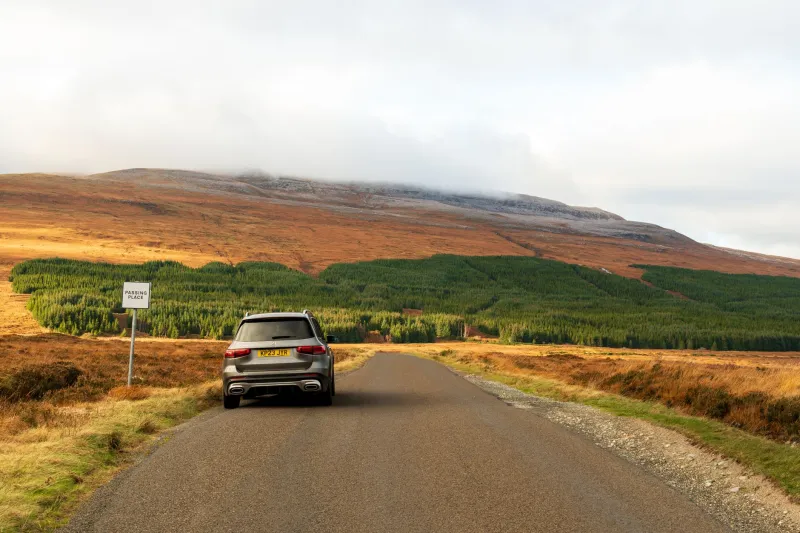
There's a particular kind of freedom that only comes from loading up the car, pointing it somewhere exciting, and committing to a few days on the road. No flight delays, no baggage allowances, no being crammed into a seat designed for someone considerably smaller than you. Just you, your car, and the open road.
Britain rewards this kind of travel generously. The NC500 in Scotland. The coastal roads of Pembrokeshire. The Yorkshire Dales, the Peak District, the Jurassic Coast. These aren't consolation prizes for people who can't afford to go abroad — they're genuinely world-class driving experiences that most British motorists have never properly explored.
But multi-day driving is a different beast from your average weekend outing. Get it wrong and you'll arrive at every destination tired, stiff, and mildly resentful. Get it right and you'll spend the whole drive wondering why you don't do this more often.
Plan the Route — But Leave Room to Wander
The best road trips have a spine, not a script. Know your rough route and your overnight stops, but don't schedule every hour. Some of the greatest driving in Britain happens when you take a turn on a whim and end up on a single-track lane with views that stop you in your tracks.
For route planning, Google Maps and Waze are fine for navigation, but Komoot and Plotaroute are far better for discovering scenic alternatives. The AA Route Planner is still worth using for fuel cost estimates and realistic journey time calculations — it tends to be more conservative than Google, which is actually useful when you're planning a full day's driving.
A good rule of thumb for multi-day trips: plan no more than four to five hours of actual driving per day. That might sound modest, but factor in stops, detours, and the fact that on genuinely good roads — the kind you're going there to drive — you'll want to slow down and savour them.
The Vehicle Question
Your car choice matters more on a long trip than it does for everyday use. A few things to think about:
Boot space and comfort need to be balanced. A sports car might be thrilling on the B-roads of Snowdonia, but if you can't fit your luggage in and your lower back gives up after two hours, the experience sours quickly. Estate cars, SUVs, and crossovers tend to hit the sweet spot for multi-day adventure driving in the UK.
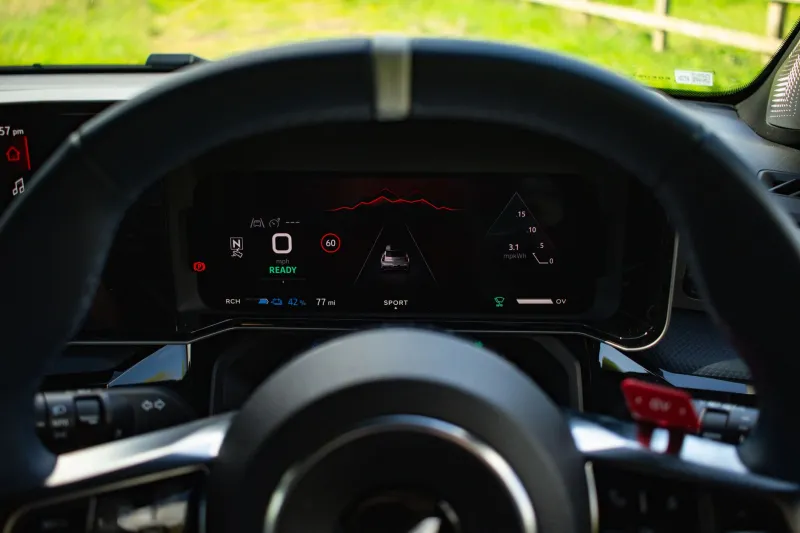
Fuel range is worth considering, particularly if you're heading to remote parts of Scotland or Wales where petrol stations can be surprisingly sparse. Petrol and diesel still win here — even as EVs improve, the charging infrastructure in rural Britain remains patchy enough to require careful planning on longer routes. If you're in an EV, use Zap-Map to plan charging stops in advance and build in realistic charging time.
A pre-trip check is non-negotiable. Tyre pressures (including the spare), oil level, coolant, windscreen washer fluid — all of it. A breakdown in Glencoe is a very different experience from a breakdown on the M6.
Staying Comfortable Behind the Wheel
Fatigue is the enemy of enjoyable long-distance driving. And in the UK, where roads are often narrow, winding, and demand constant attention, tiredness hits harder than it does on a straight continental motorway.
Lumbar Support
If your car's seat doesn't have adjustable lumbar support — or even if it does — a dedicated lumbar cushion can transform long stints behind the wheel. Memory foam options are widely available and genuinely make a difference on drives over two hours. Your lower back will thank you by day three.
Seat Cushions
A quality gel or memory foam seat cushion takes pressure off the tailbone and thighs. Sounds like a small thing until you've been driving for four hours on a hot day and your standard seat feels like a park bench.
Neck and Headrest Pillows
For passengers, a good travel pillow is obvious. For drivers, a headrest cushion that provides lateral neck support during a break can make the difference between arriving refreshed and arriving with a crick that lasts a week.
Temperature and Ventilation
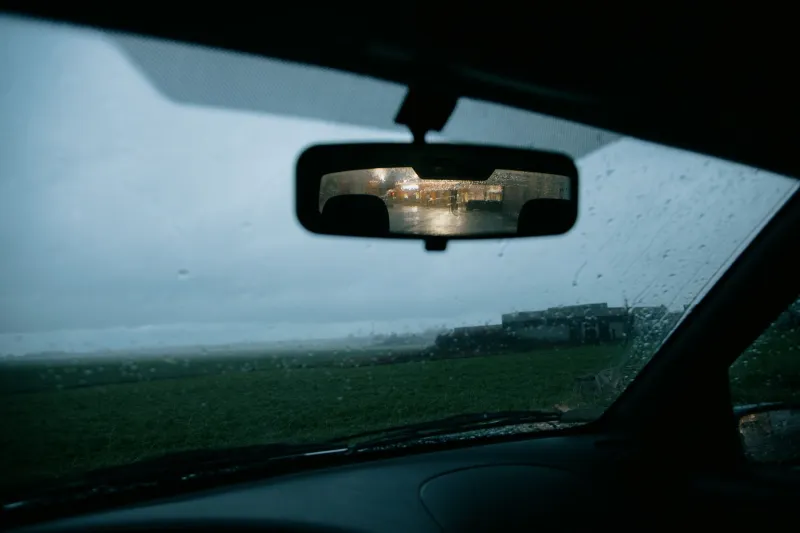
Britain's weather is famously unpredictable. You might set off in sunshine and hit horizontal rain by lunchtime. Keep layers accessible in the cabin rather than buried in the boot, and make sure your car's air conditioning or heating is working properly before you go. A car that's too warm is one of the fastest routes to driver fatigue.
Managing Fatigue on the Road
The Highway Code recommends taking a break of at least 15 minutes every two hours — and this is genuinely good advice, not just a formality. On a multi-day trip, the cumulative effect of driving fatigue builds up across days, not just within a single journey.
A few practical strategies:
- Drive in the morning where possible. Most people are sharper earlier in the day. Avoid pushing through long stints after 8pm.
- Caffeine works, but has a ceiling. A coffee at a service station can help, but it's not a substitute for proper rest. If you're genuinely drowsy, stop.
- Playlists and podcasts help, but not indefinitely. Engaging audio content keeps the brain active, but there's a point where it stops working. Fresh air and a walk around a car park is more effective than another episode of anything.
- Share the driving if you can. Even swapping for an hour gives your body a meaningful rest.
Fuelling Smart
Fuel prices vary considerably across the UK. Motorway services are notoriously expensive — sometimes 15–20p per litre more than a supermarket forecourt a few miles off the junction. Apps like PetrolPrices.com and Fuel Prices let you check local prices before you need to fill up, which over a multi-day trip can save a meaningful amount.
Carrying a small emergency fuel can (properly rated for petrol or diesel) is sensible on remote routes. It doesn't need to be large — even a 5-litre can gives you enough buffer to reach the next station if you miscalculate.
The Kit That Makes It Better
Beyond the mechanical essentials, a few bits of gear genuinely elevate a long road trip:
- A quality coolbox or electric car fridge keeps drinks and food cold without relying on service stations. A great way to save money and eat better.
- A car phone mount is essential for navigation without fiddling with your phone. Go for a magnetic dashboard mount or a windscreen arm that holds the phone solidly.
- A portable power bank for keeping devices charged, or better yet, a multi-port USB car charger that handles several devices at once.
- A compact first aid kit and basic breakdown kit — warning triangle, hi-vis vest, jump leads or a jump starter pack.
The Romance of It All
Here's the thing about British road trips that no amount of practical advice can fully capture: the best moments are the unplanned ones. The pub you stumble into at the end of a long day. The viewpoint that doesn't appear on any tourist map. The stretch of road that makes you slow down to forty because the scenery is too good to rush through.
Britain is a small country, but it contains an almost unreasonable amount of beauty, history, and character per square mile. A multi-day drive is one of the best ways to actually feel that — not through a windscreen at 70mph, but properly, at a pace that lets it sink in.
Get the planning right, look after yourself on the road, and the rest tends to take care of itself. Now go and book those nights away.