Stuck On You: Finding the Right Phone and Satnav Mount for Every British Road
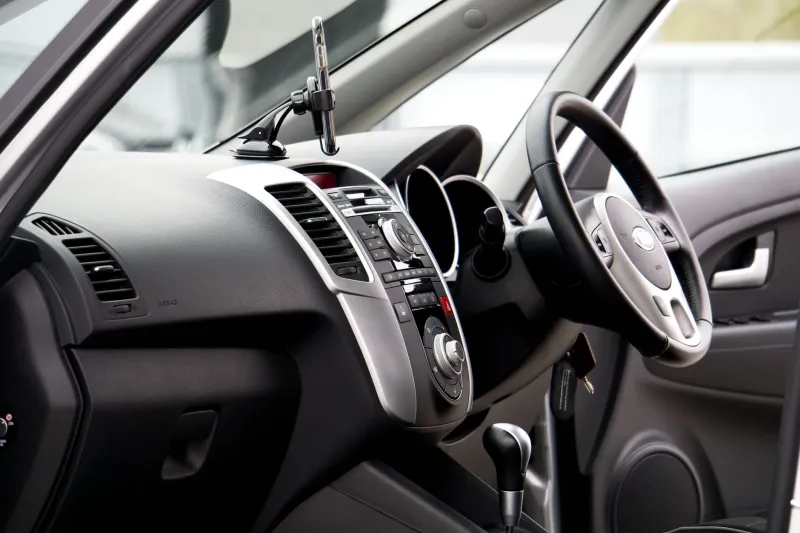
It's one of those decisions that seems dead simple until you're actually living with the consequences. You pick up a cheap mount, slap your phone on the windscreen, and three weeks later you're peeling suction-cup residue off the glass and wondering why the screen keeps vibrating loose every time you hit a speed bump in Swindon. Sound familiar?
Choosing between a dashboard mount and a windscreen mount isn't just about personal preference — there are legal grey areas, visibility concerns, and genuine ergonomic differences that can make or break your driving experience. Let's dig into it properly.
What the Law Actually Says
Before anything else, let's get the legal bit sorted. In the UK, you cannot use a hand-held mobile phone while driving — that's well established. But mounting positions matter too. The Highway Code advises that nothing should obstruct your view of the road, and the police can issue a Fixed Penalty Notice if they reckon your mount is causing a distraction or obscuring your sightlines.
Windscreen mounts positioned high and central — near the rear-view mirror — tend to sit in the least obstructive spot, but a large phone mounted low and central on the windscreen can genuinely block more of your view than you'd expect, especially in smaller cars like a Ford Fiesta or a Vauxhall Corsa. Dashboard mounts, when placed low on the centre console or near the air vents, keep your forward view entirely clear. That's a meaningful advantage worth factoring in.
The Case for Windscreen Mounts
Windscreen mounts have been the go-to for years, and there's good reason for that. Suction cups are universally compatible — they'll stick to virtually any vehicle without modification. Installation takes about thirty seconds, and repositioning is equally painless. For drivers who switch between vehicles regularly, or who rent cars on road trips, this flexibility is genuinely valuable.
From a sightline perspective, a windscreen-mounted device placed near the top of the glass keeps your navigation in your peripheral vision while your eyes stay on the road ahead. On motorway runs — say, hammering up the M6 or cruising the A1 — this positioning works brilliantly. You glance, you process, you carry on.
The downsides? Suction cups and British weather are not great friends. Cold mornings weaken the adhesive properties of cheaper cups, and there are few things more alarming than your satnav clattering into the footwell at 70mph on the M25. Invest in a quality mount with a locking suction mechanism — brands like RAM Mounts or Brodit are worth the extra spend. You'll also notice wind noise becoming an issue in some vehicles, particularly if your mount positions the device anywhere near a gap in the door seal.
The Case for Dashboard Mounts
Dashboard mounts have come a long way. Vent clips, adhesive bases, and CD-slot mounts all offer stable, low-profile positioning that keeps the windscreen clear. For drivers in larger vehicles — think Land Rover Defenders, Ford Rangers, or Volkswagen Transporters — dashboard positioning often feels more natural because the dash itself is deeper and more accessible.
Stability is where dashboard mounts genuinely shine. A well-fitted vent clip or adhesive base doesn't suffer from the temperature sensitivity of suction cups, and vibration is typically less of an issue because the mount has a shorter lever arm from the device to the fixing point. On rough rural roads — the sort of single-track lanes you find threading through the Cairngorms or the Peak District — this matters more than you'd think.
The trade-off is compatibility. Vent clips can damage delicate louvre-style vents, and some modern dashboards have curved or textured surfaces that adhesive pads struggle to grip. Always check your specific vehicle before committing. Wireless charging dashboard mounts are increasingly popular and genuinely convenient if your car lacks built-in wireless charging — but again, fit is everything.
Visibility and Glare: The Underrated Factor
British driving conditions throw up a specific challenge that doesn't get enough attention: low winter sun. Between October and March, the sun sits low on the horizon for much of the day, and a screen mounted at the wrong angle becomes effectively invisible. Windscreen mounts can exacerbate this by positioning your device directly in the sun's path. Dashboard mounts, being lower and often more angled, tend to fare slightly better — though neither solution is perfect.
A matt or anti-glare screen protector helps enormously regardless of which mount you choose. So does simply turning up your device's brightness setting when you set off — obvious, yes, but plenty of drivers forget.
Noise, Vibration, and the Long Haul
For longer drives, the physical sensation of your mount matters. A loosely fitted windscreen mount will vibrate at certain speeds, creating a faint but persistent rattle that becomes genuinely maddening over the course of a four-hour drive to Scotland. Dashboard mounts, particularly those with rubber-lined grips, tend to dampen vibration more effectively.
If you're regularly doing long motorway stints, it's worth testing your mount at speed before committing to a full journey. Fit it, drive a few miles, and check for movement. A mount that shifts even slightly at 60mph will be significantly worse by the time you hit 70.
So Which Should You Actually Choose?
Honestly? It depends on your vehicle and your driving patterns. For urban commuters in smaller cars who want legal confidence and a clear windscreen, a quality dashboard vent mount is usually the smarter pick. For motorway regulars and long-distance drivers who want navigation in their eyeline, a locking suction windscreen mount placed high and centrally is hard to beat — provided you buy a decent one.
If you do a bit of both, consider keeping one of each in the car. They're not expensive, and having the right tool for the right journey is exactly the kind of practical thinking that makes life on the road a bit less stressful.
Whatever you choose, don't scrimp. A tenner saved on a flimsy mount is a phone lost to the footwell — or worse, a distraction at exactly the wrong moment.