See and Be Seen: Lighting Upgrades and Visibility Gear Worth Having on Dark British Roads
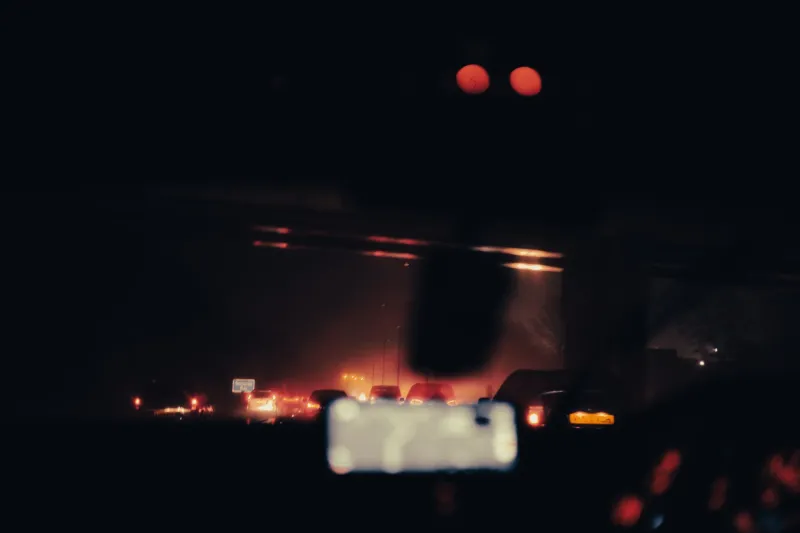
There's a particular kind of unease that comes with driving a narrow B-road in rural Wales or the Scottish Highlands after dark. No street lights, hedgerows pressing in from both sides, and the occasional pair of oncoming headlights that feels like staring directly into the sun. British roads after dark are, frankly, a different challenge — and the standard lighting setup on most cars simply isn't built for it.
The good news? There's a solid range of upgrades and accessories that can genuinely improve how well you see and how easily other road users spot you. The less good news? There's also a fair bit of overpriced kit that promises the world and delivers very little. Here's how to tell the difference.
Why Factory Headlights Often Fall Short
Most cars roll off the production line with halogen headlights. They're cheap to manufacture, easy to replace, and perfectly adequate for urban driving where street lighting fills in the gaps. But once you're on unlit rural roads — which make up a significant chunk of the UK's road network — those yellowish beams start to feel woefully inadequate.
Halogen bulbs typically produce around 1,000 lumens and cast a warm, slightly amber light. That's fine if you're pottering around town, but on a dark A-road with a 60mph limit, you want to be seeing further, wider, and with better colour accuracy. That's where LED and HID upgrades come in.
LED Headlight Upgrades: What's Actually Legal
LED conversion kits have exploded in popularity over the last few years, and it's easy to see why — they're brighter, longer-lasting, and more energy-efficient than halogens. A decent LED bulb can push 3,000 to 6,000 lumens, which sounds great on paper. The catch? Not all of them are road-legal in the UK.
Under current UK law, any headlight modification must comply with the Road Vehicles Lighting Regulations 1989. In plain English, this means your headlights need to be type-approved for road use. Many LED conversion kits sold online — particularly cheaper imports — are marketed as "off-road use only" for exactly this reason. Fitting them to a road car could land you a fine and, more importantly, an MOT failure.
What you want to look for are kits that carry either ECE (Economic Commission for Europe) approval or are sold with explicit UK road-legal certification. Brands like Osram, Philips, and Ring have strong reputations in this space and offer LED upgrades that are built to comply with UK regs. Expect to pay somewhere between £40 and £150 for a quality set — anything suspiciously cheap should raise eyebrows.
If your car came with factory LED or xenon headlights, an upgrade might be less about the bulbs themselves and more about getting the beam pattern properly aligned. A misaligned headlight — even a powerful one — can blind oncoming drivers and leave you with a patchy view of the road. Most garages can adjust beam alignment for a modest fee, and it's one of the most cost-effective visibility improvements you can make.
Auxiliary Lighting: Fog Lamps and Light Bars
Additional driving lights can make a real difference in specific conditions, but they come with their own set of rules. Rear fog lights are a legal requirement on UK vehicles, but front auxiliary lighting is where things get more nuanced.
Fog lamps mounted below the bumper are legal for road use in poor visibility conditions, but light bars — those wide LED strips you see strapped across the front of 4x4s — are generally only legal off-road. Using them on a public road can get you pulled over, so if you're fitting a light bar for overlanding or green laning, make sure it has a proper cover or switch that keeps it off when you're back on tarmac.
For genuinely unlit rural driving, a set of road-legal spot or driving lamps can extend your visible range significantly. Just make sure they're correctly aimed and switched off when traffic approaches.
Dealing with Glare: The Other Side of the Problem
Here's the irony — as headlights get brighter across the board, glare from oncoming vehicles becomes a bigger issue. Modern LED and xenon headlights from other cars can be genuinely dazzling, especially on wet roads where reflections multiply the effect.
Anti-glare solutions aren't as glamorous as a new set of LEDs, but they matter. A few things worth considering:
Anti-reflective glasses lenses — if you wear glasses, an anti-reflective coating is non-negotiable for night driving. It's a simple optician upgrade that makes a noticeable difference.
Polarised sun visors — clip-on visor extensions with a polarised or yellow-tinted lens can cut glare from oncoming headlights without darkening your overall view. They're inexpensive and work surprisingly well.
Windscreen condition — a dirty or scratched windscreen scatters light and dramatically worsens glare. Keeping the inside and outside of your screen clean, and replacing any seriously scratched glass, is one of the simplest visibility wins going.
Reflective and High-Visibility Safety Gear
Being seen matters just as much as seeing. If you break down on an unlit road — and it happens — the difference between a reflective warning triangle and nothing at all could be life or death.
In the UK, carrying a warning triangle isn't a legal requirement (unlike in much of Europe), but it's strongly advised. If you're a regular traveller on European roads, it's actually compulsory in several countries. A collapsible triangle takes up almost no boot space and could genuinely save your life.
High-visibility vests are similarly worth keeping in the car. Again, not legally required in the UK, but if you ever need to stand outside a broken-down vehicle on a dark motorway hard shoulder, you'll be very glad it's there. Keep one accessible — not buried under camping gear in the boot.
For those who do a lot of rural driving, magnetic LED road flares are a brilliant modern alternative to traditional flares. They're reusable, bright, and don't carry the fire risk of old-school pyrotechnic versions. A set of three or four is a solid investment.
Interior Lighting: Subtle But Useful
It might seem like a small thing, but the interior lighting environment affects how well your eyes adapt to the darkness outside. Harsh, bright cabin lights make it harder for your eyes to adjust when you look back at the road — a phenomenon called dark adaptation.
Ambient lighting kits that allow you to dim the interior glow are genuinely useful for night driving. Many modern cars have adjustable dashboard brightness, but if yours doesn't, an aftermarket ambient LED strip kit can give you softer, dimmable illumination that keeps the cabin comfortable without nuking your night vision.
Red-spectrum lighting is particularly good for preserving night vision, which is why it's used in everything from naval vessels to astronomy observatories. A few manufacturers offer red-mode options in their ambient kits, and it's worth seeking out if you do a lot of late-night driving.
The Bottom Line
Night driving on British roads demands a bit more respect and preparation than the daytime equivalent. The combination of unlit rural lanes, unpredictable weather, and the sheer variety of road types across the UK means your standard factory setup often isn't doing you any favours.
Focus on the fundamentals first: legal, quality LED bulbs, a clean and well-aligned windscreen, and basic safety kit like a high-vis vest and warning triangle. From there, targeted additions like anti-glare visors or auxiliary lamps can build on a solid foundation. Skip the gimmicks, check the legality of anything you fit, and you'll be genuinely better equipped for whatever dark road the UK throws at you.