Boot Boss: How to Organise Your Car's Storage Like You Actually Know What You're Doing
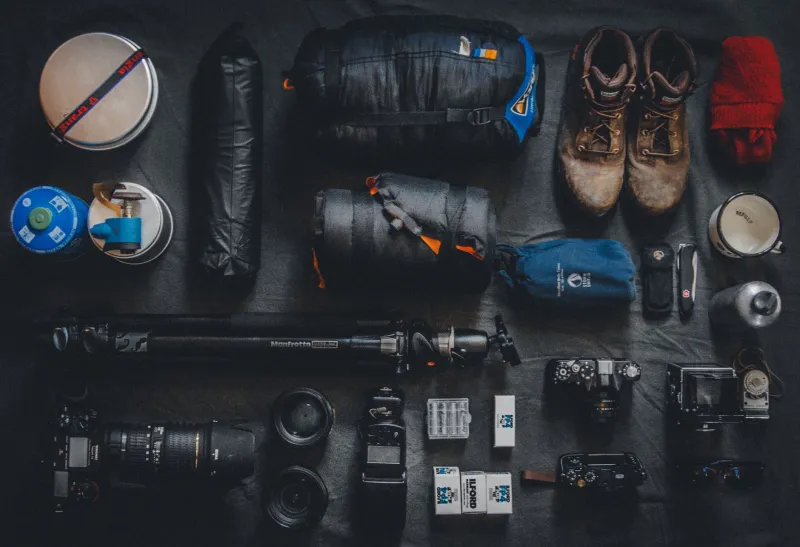
Open your boot right now. Go on, be honest — what's in there? A crumpled hi-vis vest from 2019? A bag of clothes you meant to donate six months ago? Some sort of mysterious tarpaulin? If your answer involves the phrase 'it's fine, I know where everything is,' this article is for you.
Getting your car's storage sorted isn't just about tidiness. It's about safety, efficiency, and making the most of every cubic litre of space you've paid for. For UK drivers who use their vehicles for anything beyond the daily commute — camping weekends, trail running, mountain biking, family road trips — a well-organised boot can genuinely change how you travel.
Start With a Proper Clear-Out
Before you buy a single organiser or storage solution, get everything out of the boot and back seats and lay it on the driveway. You'll almost certainly find gear you forgot you had, duplicates of things you bought again because you couldn't find the original, and a surprising amount of absolute rubbish that's been rolling around for months.
Be ruthless. If it hasn't been used in six months and isn't emergency kit, it probably doesn't need to live in the car. The goal is to carry what you need, not everything you might theoretically one day require.
Know Your Zones
Think of your vehicle in zones — and assign a purpose to each one.
The boot floor is your heavy haulage area. This is where the big, heavy items go — coolboxes, tool bags, spare tyre equipment, camping gear. Heavy items low and forward keeps the weight distribution sensible and reduces the risk of things sliding forward under braking.
Boot sides and walls are often wasted space. Collapsible organisers that attach to the boot sides or hang from the rear seats can turn this dead space into accessible storage for smaller items.
Under the parcel shelf or boot lid pockets are great for flat, lightweight items — maps, a first aid guide, reusable bags.
Rear seat pockets and the back of headrests work brilliantly for kids' road trip essentials, snacks, and anything that needs to be reachable from the back without climbing into the boot.
The Kit That Actually Makes a Difference
Boot Organisers and Cargo Bags
A structured boot organiser is probably the single most impactful purchase you can make. Collapsible versions are great because they fold flat when not in use, but rigid-sided organisers with dividers are better if you're carrying fragile or specific gear. Look for ones with non-slip bases — on UK country roads, a sliding organiser is deeply annoying.
For those doing regular camping or outdoor trips, a dedicated camp kitchen bag or adventure boot organiser with separate compartments for cooking gear, tools, and emergency kit is worth every penny. Some even have insulated sections for keeping food cool on shorter journeys.
Cargo Nets and Straps
A simple cargo net stretched across the boot floor can stop items rolling around without adding any real weight. Bungee-style nets are versatile and cheap. For more secure loads — particularly if you're doing off-road driving — look at proper cargo straps with ratchet mechanisms that anchor to the boot's tie-down points.
Modular Storage Systems
If you're serious about organisation, modular systems are the way forward. Stackable plastic cases (think Peli-style hard cases or the increasingly popular MOLLE-compatible soft cases) let you build a storage setup that's tailored to exactly what you carry. You can pull out individual modules without disturbing the whole system, which is a game-changer when you're setting up camp in the dark.
For van and SUV drivers, drawer systems that slide into the boot are the ultimate solution. More expensive and usually requiring some installation, but they give you a completely flat load floor with organised storage underneath. Proper expedition-level stuff.
Roof Boxes and Roof Racks
When boot space genuinely isn't enough, a roof box is the classic answer. They're ideal for bulky but light items — sleeping bags, tents, clothing — that take up disproportionate space relative to their weight. Keep heavier gear in the boot and send the lightweight stuff upstairs.
Do remember that a roof box affects fuel economy (typically a 10–15% increase in consumption at motorway speeds) and adds height to your vehicle — something that catches a surprising number of drivers out in multi-storey car parks.
Packing Strategy for Different Adventures
Family road trips: Use a 'layers' approach — things you'll need last go in first. Pushchairs and heavy bags at the bottom, day bags and snack boxes on top. A small backpack with everything you might need at a service station stop lives in the back footwell rather than the boot.
Weekend camping: Group gear by activity and pack it in separate bags or cases — sleeping kit together, cooking kit together, clothing together. When you arrive at the campsite, you can grab exactly what you need without unpacking everything.
Trail running or cycling trips: Wet and muddy gear is the enemy of a clean car. Keep a dedicated waterproof bag or bin liner system for post-activity kit. A boot liner or tray is essential — they're inexpensive and save your carpets from the kind of mud that UK trails are famous for generating.
DIY Storage Wins
Not everything needs to be bought. A few genuinely useful DIY solutions:
- Shower caddies with suction cups or hooks make surprisingly effective side-of-boot organisers for small items
- Cereal containers with lids are great for snacks and small gear in the cabin
- Carabiner clips attached to headrest poles let you hang bags off the back of seats
- A simple wooden board cut to fit the boot floor gives you a flat surface above the spare tyre well, doubling usable space in many hatchbacks
Don't Forget Safety
This one's worth saying clearly: unsecured items in the boot are a genuine safety hazard. In a collision, loose gear can become a projectile. Heavy items that aren't secured can shift under emergency braking. Make sure anything significant is either strapped down, contained in a structured organiser, or placed in a position where it can't travel far.
A boot organiser isn't just about convenience — it's about making sure your gear stays where you put it, whatever the road throws at you.
The Takeaway
A well-organised boot doesn't happen by accident. It takes a bit of thought, the right kit, and a system that works for how you actually use your vehicle. But once you've got it sorted, you'll wonder how you ever managed without it — and every adventure will feel that bit more prepared and professional from the moment you load up and head out.