Eyes on the Road: Choosing the Right Dash Cam and Security Setup for British Drivers
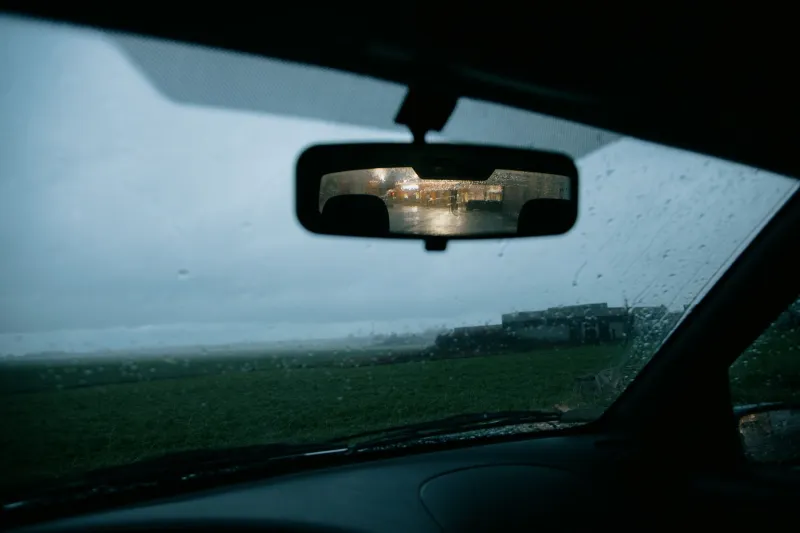
Let's be honest — British roads aren't exactly a stress-free experience. Between the aggressive tailgaters on the A-roads, the mystery dents that appear in supermarket car parks, and the occasional nightmare junction where everyone seems to think they have right of way, there's never been a better time to get a camera pointed at what's going on around your car.
Dash cams and vehicle security systems have gone from novelty gadgets to genuine must-haves for savvy UK motorists. And with the market now absolutely packed with options at every price point, picking the right one can feel a bit overwhelming. Don't worry — we've got you sorted.
Why Every UK Driver Should Have a Dash Cam
The numbers speak for themselves. The Association of British Insurers has reported a steady rise in fraudulent claims, and so-called 'crash for cash' scams — where scammers deliberately cause accidents to claim compensation — remain a serious problem on UK roads. A dash cam recording is often the only solid evidence a driver has to counter a false or exaggerated claim.
But it's not just fraud. Real-world footage has helped British motorists in all sorts of situations:
- Proving a pothole caused a tyre blowout (and getting a council payout)
- Identifying a hit-and-run driver from their number plate
- Defending against unfair speeding allegations
- Capturing footage of dangerous driving to report to the police
In short, a dash cam is insurance for your insurance. And given that some providers now offer discounts for drivers who have one fitted, it can actually pay for itself.
Understanding the Different Types of Cameras
Front-facing dash cams are the most common starting point. They mount behind your rear-view mirror and record everything ahead of you. Good for motorway incidents, junction disputes, and anything happening in front of the car.
Front and rear combos add a second camera to the back windscreen, which is brilliant for capturing rear-end shunts — one of the most common types of insurance claims in the UK. If someone goes into the back of you, you'll have footage from both angles.
360-degree or multi-camera systems are the full monty. These cover all four sides of the vehicle, making them ideal for vans, fleet vehicles, or anyone who regularly parks in urban areas. They're pricier, but for commercial drivers or those with a history of car park prangs, the investment makes sense.
Parking mode cameras are worth special mention. These use motion detection or impact sensors to start recording even when the engine is off. If someone clips your car overnight or tries to break in, you'll have it on film. They do require a hardwire installation to draw power from the car's battery (rather than relying on the cigarette lighter socket), so factor that in.
Key Features to Look Out For
Resolution
Go for at least 1080p Full HD as a baseline — anything lower and you may struggle to read number plates clearly, especially at distance. 4K dash cams are increasingly affordable and offer noticeably sharper footage, which can make the difference when you're trying to ID a vehicle in murky conditions.
Night Vision
This is huge for UK drivers. Between our long winter nights and the general grey drizzle that passes for daylight half the year, you need a camera that performs in low light. Look for models with wide aperture lenses (f/1.8 or lower) and Sony STARVIS or similar night-vision sensor technology. Test footage in dark conditions before you commit.
GPS Logging
A built-in GPS chip records your speed and location alongside the video. This is invaluable if you need to prove where you were, how fast you were travelling, or the exact sequence of events in an incident.
Loop Recording and Storage
Most dash cams record in short loops and automatically overwrite old footage when the memory card fills up. Make sure you're using a high-endurance microSD card rated for continuous recording — regular cards can fail surprisingly quickly in the heat of a glove box.
Wi-Fi and App Connectivity
Newer models let you pull footage directly to your smartphone via a companion app, which makes sharing clips with your insurer or the police far easier. A nice-to-have that's becoming increasingly standard.
Budget Breakdown: What You Can Expect at Different Price Points
Under £50: Entry-level options that cover the basics. Fine for occasional drivers who just want some basic protection, but don't expect stellar night vision or 4K quality. Brands like Vantrue and Garmin have budget options worth considering.
£50–£150: The sweet spot for most UK drivers. This range gets you solid 1080p or 2K resolution, decent low-light performance, GPS, and often front-and-rear combos. Nextbase — a British brand, it's worth noting — dominates this space with good reason.
£150–£300+: Premium territory. Expect 4K front cameras, advanced parking modes, cloud connectivity, and professional-grade night vision. Ideal for high-value vehicles, frequent long-distance drivers, or anyone who just wants the best available.
Legal Bits You Should Know
Using a dash cam in the UK is perfectly legal, but there are a few things to keep in mind.
GDPR considerations: If your camera captures footage of other people — particularly in a private setting — you may technically fall under data protection rules. In practice, personal use on public roads is generally fine, but if you're sharing footage online, be mindful about identifying individuals unnecessarily.
Windscreen positioning: The Highway Code states that your view of the road must not be obstructed. Keep your camera mounted behind the rear-view mirror and out of your direct sightline.
Sharing footage with police: You can submit dash cam footage to most UK police forces via online portals. Several forces actively encourage it for reporting dangerous driving — search for your local force's 'Operation Snap' equivalent.
Beyond the Dash Cam: Full Vehicle Security
If you want to go further, a dedicated vehicle security camera system — separate from your dash cam — can be fitted to monitor your car around the clock. These systems often link to your home Wi-Fi and send alerts to your phone if motion is detected nearby. Combined with a quality steering wheel lock, a Thatcham-approved alarm, and a GPS tracker, you've got a pretty formidable deterrent against theft.
For van drivers and tradespeople, interior cargo cameras are worth looking at too. They protect against false claims of damage to goods in transit and can be useful for insurance purposes if tools or equipment are stolen.
Final Word
A decent dash cam setup is one of the smartest bits of kit you can add to your vehicle — and in an era of rising insurance premiums and increasingly creative fraudsters, it's fast becoming essential rather than optional. Start with a solid front-and-rear combo, make sure you've got GPS and good night vision, and you'll be driving with a lot more confidence whether you're battling the school run or heading up the motorway for a long weekend away.