Back in Business: The Real Driver's Guide to Seat Comfort and Posture on UK Roads
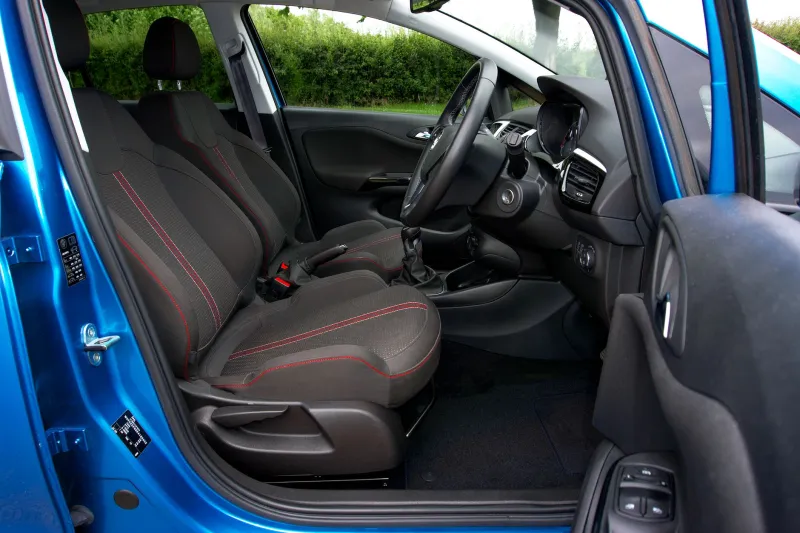
Let's be honest — nobody buys a car and thinks, "I can't wait to destroy my lower back in this thing." Yet here we are. Millions of UK drivers spend anywhere from forty minutes to three-plus hours a day wedged into seats that were designed to look good in a showroom rather than support a human spine through the relentless grind of the M25 or a cross-country haul up to the Highlands.
The good news? You don't need a new car, a standing desk, or a referral to a specialist. A handful of well-chosen accessories can genuinely transform how your body feels after a long drive. The bad news? The market is absolutely awash with foam wedges and hollow promises. So let's cut through the noise.
Why Car Seats Often Fall Short
Most factory-fitted car seats are a compromise — engineered to meet a broad range of body shapes, pass safety tests, and look acceptable in a brochure. That means they're rarely optimised for your specific posture, height, or the way you naturally sit after hour two on the A1.
The spine has a natural S-curve. When you're sitting for extended periods, that curve tends to flatten, particularly in the lumbar region (your lower back). Without adequate support there, the muscles around your spine start overworking to compensate, which is where that familiar dull ache creeps in. Add in vibration from road surfaces — and British roads aren't exactly billiard-table smooth — and you've got a recipe for genuine discomfort.
Poor posture behind the wheel also affects your driving. Fatigue sets in faster, reaction times slow, and concentration drifts. So this isn't just about comfort — it's genuinely a safety conversation.
Lumbar Support: Where Most People Should Start
If you're only going to buy one thing, make it a decent lumbar support cushion. These sit in the curve of your lower back and fill the gap that most car seats leave open.
Memory foam lumbar rolls are the most common option and, when they're good quality, they work well. Look for ones with an adjustable strap that clips around the headrest — you want it staying put when you shift position, not sliding down to your tailbone every twenty minutes. Brands like Kensington and Everlasting Comfort have solid options available through UK retailers and Amazon, typically in the £20–£40 range.
Inflatable lumbar cushions are worth considering if you share a car or regularly drive different vehicles. You can dial in the firmness to suit you, and they pack down flat when not in use — handy if you're also using your boot for actual gear. The Comfyorthopedic inflatable version has picked up consistently good reviews from commuters.
One thing to avoid: those ultra-firm plastic-framed supports that clip directly onto the seatback. They might look sturdy, but they tend to create pressure points rather than distribute load — which just moves the problem rather than solving it.
Seat Cushions: Not Just for Your Nan's Kitchen Chair
A quality seat cushion does two things: it improves the angle of your pelvis (which in turn helps your lower back) and it reduces pressure on your tailbone and thighs during long stints. The coccyx cut-out design — where there's a U-shaped gap at the rear of the cushion — is particularly effective if you suffer from tailbone pain or sciatica.
Gel-infused memory foam cushions are the current sweet spot in terms of performance versus price. The gel layer helps with heat dissipation, which matters if you've ever arrived at a summer destination feeling like you've been slow-roasted. The Orthopedic Seat Cushion by ComfiLife is widely available in the UK and consistently recommended by people who commute long distances.
Coccyx wedge cushions — which tilt your pelvis slightly forward — are particularly good for drivers who tend to slouch. By nudging your hips into a more neutral position, they encourage better posture passively, without you having to think about it. That's the ideal scenario.
Spend at least £25–£35 here. The budget end of the market tends to flatten out within weeks, at which point you're basically just sitting on a slightly spongy bit of foam that's doing nothing useful.
Posture Correctors and Wearables: Useful or Overhyped?
This is where we need to be straight with you. Posture corrector vests and harnesses that you wear while driving are genuinely useful for some people — particularly those recovering from an injury or who have been told by a physio to work on their posture. For the average driver? They can feel restrictive and uncomfortable, and you're unlikely to keep wearing them consistently.
What does work in this category are vibrating posture reminders — small wearable devices that give you a gentle buzz when you slouch. The Upright Go 2 is the best-known example. It sticks to your upper back and connects to an app. It won't fix your posture on its own, but as a habit-building tool it's surprisingly effective. Worth trying if you're serious about making a long-term change rather than just masking the symptoms.
Headrests and Neck Support
Neck ache after a long drive is often overlooked, but it's a real issue — particularly on motorway runs where you're holding your head in one position for extended periods. Most factory headrests are positioned too far back to provide genuine support, which means your neck muscles are doing all the work.
A memory foam neck pillow designed specifically for driving (not the travel pillow you use on planes — those are a different shape) can make a notable difference. Look for ones with an adjustable strap that hooks over the headrest. They're not glamorous, but after a three-hour drive to a trailhead or a long shift commuting into the city, you'll be glad you've got one.
Setting Your Seat Properly First
No accessory will fully compensate for a badly adjusted seat. Before you spend a penny, make sure you've got the basics right:
- Seat height: Your hips should be roughly level with your knees, not lower. If your car has height adjustment, use it.
- Seat distance: You should be able to fully depress the clutch without locking your knee. If you're stretching, you're too far back.
- Backrest angle: Roughly 100–110 degrees is the sweet spot — slightly reclined, but not so far back that you're craning your neck forward to see the road.
- Steering wheel position: Adjust it so your wrists rest on the top of the wheel with arms slightly bent. Reaching forward stresses your shoulders and upper back.
Get these right and any accessories you add will work considerably better.
The Bottom Line
Seat comfort genuinely matters — for your health, your focus, and frankly your enjoyment of driving. Whether you're doing the school run five days a week or loading up for a long weekend in the Lake District, arriving in decent shape rather than a crumpled mess makes everything better.
Start with a good lumbar cushion and a quality seat pad. Adjust your seat properly. If you're still struggling after that, look at neck support and posture reminder tools. You don't need to spend a fortune — but you do need to spend wisely, because the cheap stuff really doesn't cut it.
Your back will thank you. Probably quite loudly.