Every Nook Counts: The Driver's Guide to Unlocking Your Car's Hidden Storage Potential
There's a particular kind of frustration that comes from rummaging around for your insurance documents while a queue builds up at a fuel station, or fishing a cereal bar out from under the passenger seat somewhere near the M6. Sound familiar? You're not alone. Most UK drivers stuff the obvious spots — glovebox, centre console, door pockets — and then declare the car full. But modern vehicles, and plenty of older ones too, are riddled with storage spaces that go almost entirely untouched.
This isn't about becoming obsessively tidy. It's about being smarter with the space you've already got so that the things you actually need are where you expect them to be, every single time.
Start With a Proper Audit
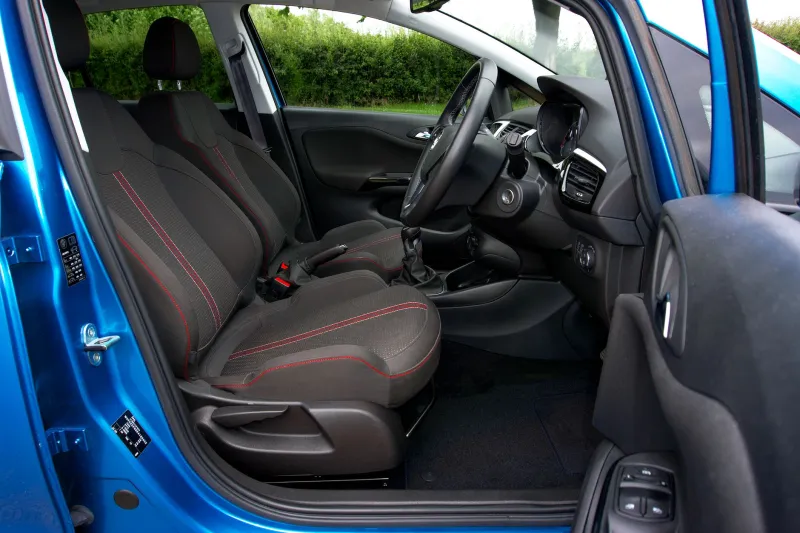
Before you can organise anything, you need to know what you're working with. Set aside twenty minutes and go through your car methodically — not just a glance, but a proper look. Pull up floor mats. Check under seats. Open every panel, lift every flap, and press every button that might conceal a compartment.
You might be surprised. Depending on your make and model, you could find:
- Under-seat drawers or sliding trays — common in MPVs, SUVs, and some estates
- Seatback pockets — often deeper than they look, especially in rear seats
- Boot floor compartments — beneath the main boot floor, typically housing a spare tyre but often with additional recesses around it
- Centre armrest storage — sometimes with a removable tray inside
- Overhead console compartments — found in taller vehicles, often used for sunglasses but with room for more
- Door panel bottle holders and map pockets — frequently underused because people forget they exist
- Parcel shelf gaps — the narrow space between the rear shelf and the rear window in hatchbacks
If you drive a van or a larger 4x4, you may also have side panel storage, under-floor tool compartments, or even behind-seat cubbies that rarely see daylight. Note everything down. You're building a map.
Assign Zones Based on How Often You Need Things
The golden rule of in-car organisation is this: access frequency should match location convenience. Things you grab daily belong within arm's reach of the driver's seat. Things you need once a month can live in the boot floor.
Driver's zone (arm's reach): This is your centre console, the section of door pocket nearest to you, and the lower glovebox if you can open it one-handed. Keep here: parking change and cards, lip balm or hand cream (a very British essential for winter), phone charging cables, a pen, and your road tax or insurance summary if you carry a physical copy.
Passenger zone: The glovebox is traditionally the passenger's territory, but it's worth being deliberate about it. Dedicate it to documents — V5C copy, breakdown cover details, insurance certificate, MOT pass notice — in a slim folder or zip pouch. Add a small torch. Done. Don't let it become a dumping ground for takeaway napkins and old receipts.
Rear cabin: Seatback pockets are brilliant for passengers, especially kids. Maps, activity books, a small first aid pouch, reusable bags — all fair game. Under-seat trays (if your car has them) are ideal for flat, lightweight items: a thin travel umbrella, a folded high-vis vest, or a compact toolkit roll.
Boot floor and sub-floor: Spare tyre, jump leads, a tow rope, and your full emergency kit live here. Not glamorous, but essential. Use the recesses around the spare tyre wisely — a flat bag with a warning triangle, a bottle of tyre sealant, and a pair of nitrile gloves fits neatly without rattling around.
What Actually Belongs in Each Spot
Let's get specific, because vague advice doesn't help when you're standing in a car park trying to figure out where to put a dog lead and a half-eaten cereal bar.
Centre console: Keep it lean. Phone mount accessories, a small multi-tool or penknife, mints or chewing gum, and a microfibre cloth for the windscreen. If your console has a removable tray, use it — it makes cleaning far easier and keeps smaller items from sinking to the bottom.
Door pockets: Front door pockets are for things you grab on the go. A reusable coffee cup fits most standard pockets. Keep a spare mask or two if you still carry them, a windscreen ice scraper in winter (more on that below), and a small pack of tissues. Rear door pockets are often shallower — bottles of water and a snack pouch work well.
Overhead console: If your car has one, sunglasses go here — obviously. But there's often room for a compact garage or car park remote, a spare pair of earbuds, or a folded breakdown card.
Seatback pockets: These take more abuse than any other storage in the car, so be selective. Thin, soft items only — brochures, folded maps, a reusable shopping bag, a lightweight fleece for long journeys. Avoid anything with hard edges that'll wear through the fabric.
Seasonal Swaps Make a Big Difference
One thing UK drivers often overlook is that your storage needs shift dramatically across the year. In winter, your door pocket ice scraper, de-icer spray, and a pair of gloves need to be front and centre. In summer, that same space might be better used for sunscreen, hay fever tablets, or a compact fan.
A simple habit: at the start of each season, spend ten minutes doing a storage reset. Pull out what's no longer relevant, rotate in what you'll actually need, and clear out the accumulated clutter — parking tickets, old receipts, the wrapper from that service station sandwich you had in February.
Clever Add-Ons for Cars That Fall Short
Not every car is generously equipped with built-in storage. Older vehicles especially can be pretty sparse. The good news is there are some genuinely useful aftermarket options that slot into existing spaces rather than cluttering up the cabin.
- Seat gap organisers fill the gap between seats and the centre console — a black hole for coins, pens, and phones — and often include a cup holder and small pocket.
- Boot organisers with collapsible dividers sit in the boot and keep shopping, gear bags, and loose items from sliding around on roundabouts.
- Headrest hooks are simple, cheap, and brilliant for hanging bags or coats in the rear.
- Under-seat storage boxes can be fitted to vehicles that don't have factory trays, using the dead space beneath front seats.
None of these need to be expensive. A few well-chosen pieces make a meaningful difference.
The Safety Angle
This is worth saying plainly: loose items in a car are a genuine hazard. In a sudden stop or collision, anything unsecured becomes a projectile. That water bottle rolling around in the footwell? The torch rattling in the back? They need homes — proper, contained homes.
Organising your storage isn't just about convenience. It's about making sure that in an emergency, the things you need (torch, first aid kit, warning triangle) are exactly where you expect them, and the things you don't need are out of the way and secured.
Make It a Habit, Not a Project
The hardest part of in-car organisation isn't setting it up — it's maintaining it. Build a quick reset into your routine: every Sunday evening, or whenever you fill up with fuel, take sixty seconds to return things to their designated spots and bin any rubbish.
Your car's hidden storage is genuinely useful real estate. Treat it like it is, and you'll wonder how you ever managed without a system.