Salt, Grime, and the Real Cost of Skipping the Car Wash
Let's be honest — most people wash their car when it starts to look embarrassing, not on any kind of schedule. And in a country where it rains as reliably as it does in the UK, the logic of "the rain will sort it" is tempting. But here's the thing: rain doesn't clean your car. In many cases, it makes things worse.
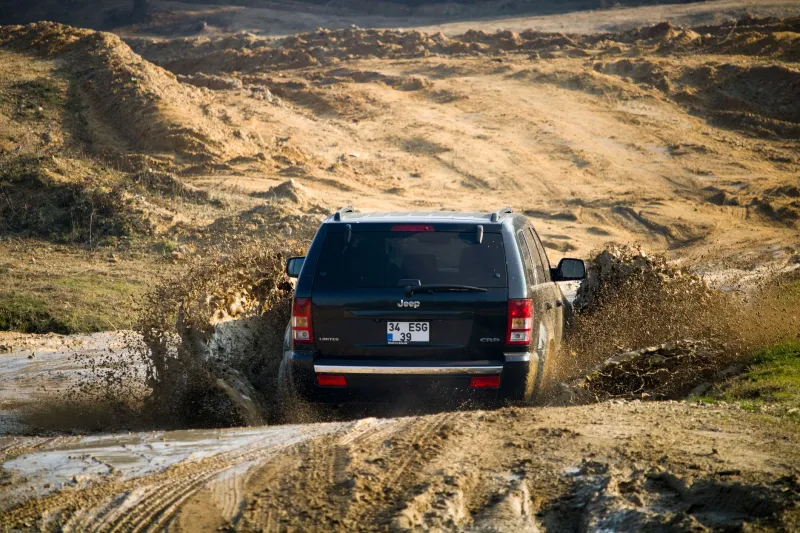
The grime that accumulates on British roads — particularly from October through to March — isn't just cosmetic. Road salt, brake dust, diesel particulates, and agricultural runoff combine into a corrosive cocktail that eats into paint, seeps into joints, and attacks bare metal wherever it can find a gap. Leave it long enough and you're not looking at a dirty car — you're looking at a rust problem.
Why British Roads Are Particularly Brutal
The UK applies roughly two million tonnes of salt to roads every winter. It's effective at preventing ice, but it's absolutely merciless on vehicles. Salt accelerates oxidation dramatically — essentially turbocharging the rusting process, particularly on wheel arches, sills, and the underside of the car where it collects and sits.
And it's not just winter. Summer brings its own issues: tree sap, insect residue, bird droppings, and UV exposure. Autumn means wet leaves plastered against bodywork, releasing tannins that stain and degrade lacquer. British weather is, in short, a year-round assault on your paintwork.
Brake dust — that fine, dark powder that coats alloy wheels — is another underappreciated problem. It contains metal particles and adhesives from brake pads that bond to wheel surfaces and, if left, become increasingly difficult to remove without causing scratches.
Rethinking What Car Cleaning Is Actually For
The shift in mindset that makes the biggest difference is this: stop thinking of cleaning as maintenance of appearance, and start thinking of it as maintenance of the vehicle itself.
A car with well-maintained paintwork holds its value significantly better at resale. More importantly, preventing rust from taking hold in the first place is dramatically cheaper than dealing with it once it has. Bodywork repairs on arches and sills can run into hundreds or even thousands of pounds. A decent wash kit costs a fraction of that.
Building a Proper Home Wash Setup
The "two-bucket method" has become something of a golden standard among enthusiasts, and for good reason. You use one bucket for your clean soapy water and one as a rinse bucket for your mitt — meaning you're not dragging dirt back across the paintwork with every pass. It sounds fussy, but it genuinely reduces the risk of introducing fine swirl marks into your lacquer.
Here's what's worth having at home:
A pH-neutral car shampoo. Avoid washing-up liquid — it strips wax and can damage rubber seals over time. A proper car shampoo is gentler on surfaces and produces a better lubricated wash.
A quality wash mitt. Microfibre or lambswool mitts hold more soapy water and are far less abrasive than sponges, which trap grit and grind it into the paint.
A dedicated wheel brush and iron fallout remover. Wheel cleaning is often done as an afterthought, but it should come first. An iron fallout remover (usually a spray that turns purple on contact with ferrous particles) dissolves brake dust safely without scrubbing.
Microfibre drying towels. Letting the car air dry leaves water spots, especially with the hard water common across much of England. A large, plush microfibre drying towel prevents this.
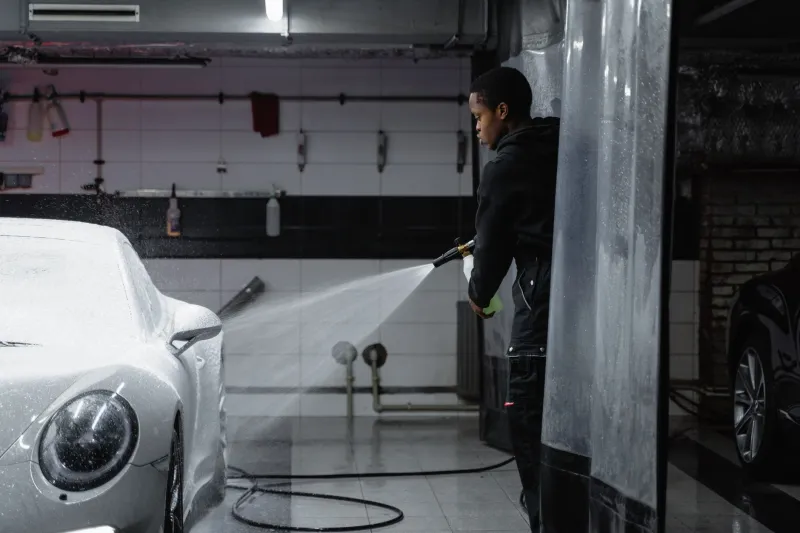
An undercarriage rinse. If you have access to a pressure washer, a dedicated undercarriage attachment is worth its weight in gold during and after winter. Blasting salt and grit from the underside of the car — particularly around the subframe, sills, and suspension components — makes a real long-term difference.
Seasonal Cleaning Priorities
Different times of year call for different approaches:
Winter: Frequency matters most. Aim for at least a fortnightly wash during months when gritting is active, focusing on the lower panels and underside. A pre-wash snow foam (applied with a foam lance before contact washing) helps loosen salt deposits safely.
Spring: This is the time for a proper deep clean and protective treatment. A wax, sealant, or ceramic coating applied in spring gives you a protective layer heading into summer. It also makes subsequent washes faster and easier.
Summer: Tackle bird droppings and insect splatter quickly — both are acidic and can etch into lacquer within days in warm weather. Keep a quick detailer spray in the car for fast spot treatment.
Autumn: Clear wet leaves promptly from around the windscreen, door shuts, and bonnet gaps where they collect. They hold moisture and release compounds that stain and break down rubber seals.
When the Pressure Washer Isn't Enough
For anyone who's let things slide for a while — or bought a used car that hasn't been properly looked after — a machine polish might be necessary before protection can be applied. Light swirl marks and oxidised paint can be corrected with a dual-action polisher and appropriate compound, restoring a depth and clarity to the finish that waxing alone won't achieve.
This isn't something you need to do regularly, but once every couple of years it can genuinely rejuvenate a car's appearance and halt the degradation of the clear coat.
The Bottom Line
Car cleaning done properly isn't a weekend chore — it's an investment. The products and tools involved are affordable, the process becomes quicker with practice, and the protection it offers is measurable in both the condition of the car and its resale value.
In a country where road salt is part of winter life and the weather rarely gives you a break, treating your car's exterior as seriously as you treat the mechanical stuff underneath is just good sense. A clean car isn't a vain car — it's a car that's going to last.