From School Run to Summit: Turning Your Everyday Car into a Proper Off-Road Machine
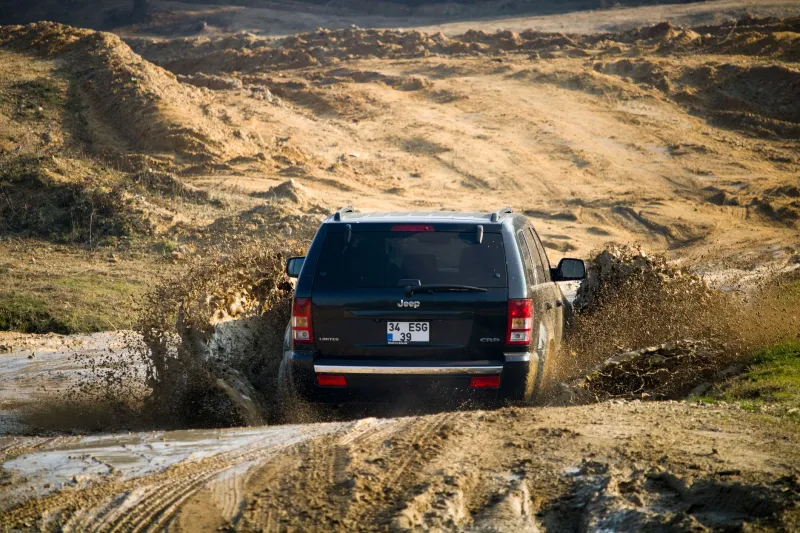
Let's be honest — most of us aren't buying a dedicated off-roader any time soon. Between fuel costs, insurance, and the general chaos of modern life, the idea of running two vehicles is a fantasy for most UK drivers. But here's the thing: your current car is probably more capable than you think, and with the right modifications, it can handle a serious amount of adventure without you having to start from scratch.
We've been testing this theory on some of Britain's most demanding terrain — from the boggy tracks of Dartmoor to the rocky fire roads cutting through the Cairngorms — and the results have been genuinely encouraging. Here's what actually works.
Start Underneath: Suspension and Ground Clearance
Before you bolt anything shiny onto your car, get under it. Ground clearance is the single biggest limiting factor on most standard vehicles, and it's the first thing worth addressing.
For SUVs and crossovers, a modest suspension lift of 30–50mm can make an enormous practical difference. Brands like Ironman 4x4 and Old Man Emu offer kits compatible with popular UK models including the Nissan X-Trail, Toyota RAV4, and Ford Kuga. These aren't motorsport-grade overhauls — they're sensible upgrades that raise your ride height, improve wheel articulation, and give you that extra bit of clearance over rocks and ruts.
If you're working with a standard hatchback or estate, the options are more limited, but uprated springs and dampers can still firm things up and reduce the risk of bottoming out on rough ground. It won't turn your Skoda Octavia into a Defender, but it'll stop it feeling quite so agricultural when the tarmac runs out.
Budget realistically: a decent lift kit with fitting will run you £400–£900 depending on your vehicle. Think of it as the foundation everything else sits on.
Protect What's Underneath: Skid Plates and Underbody Guards
Once you've got some extra height, the next priority is protecting what's now more exposed. Skid plates — steel or aluminium guards that bolt to your vehicle's underside — shield the sump, gearbox, and fuel tank from rocks, roots, and debris.
On UK terrain specifically, this matters more than people expect. British off-road routes are littered with hidden stone, particularly in Wales and the Lake District where glacial rock sits just below the surface of what looks like soft ground. One unlucky strike on an unprotected sump and your adventure ends with a very expensive tow home.
Alloy plates are lighter and resist corrosion better in the wet British climate — which, let's face it, is most of the time. Steel is tougher for serious abuse. Either way, fitting a basic set is one of the most cost-effective upgrades you can make, often coming in under £200 for common models.
Rubber Matters: All-Terrain Tyres for British Conditions
This is where a lot of drivers feel the most dramatic improvement. Standard road tyres are optimised for motorways and A-roads — swap them for a quality all-terrain option and suddenly your car feels like a different animal on loose surfaces.
For mixed use across UK roads and rough tracks, all-terrain tyres strike the best balance. Options like the BF Goodrich All-Terrain T/A KO2 or Falken Wildpeak AT3W are popular choices that handle motorway noise reasonably well while genuinely performing in mud, gravel, and shallow water crossings.
If your adventures lean heavily toward winter driving in Scotland or the northern uplands, a mud-terrain tyre might be worth considering — though be aware they're louder on road and wear faster in everyday driving. For most people, a good all-terrain is the sweet spot.
Don't forget to check your wheel arch clearance before sizing up. A tyre that rubs on full lock is a headache nobody needs on a remote track.
Recovery Gear: Don't Leave Home Without It
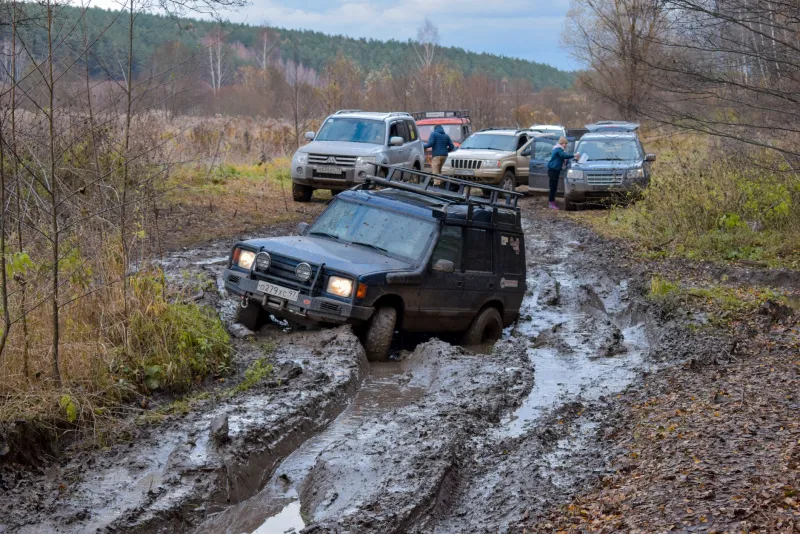
This is the bit people skip until they're axle-deep in a Scottish peat bog at 4pm in November with the light fading. Don't be that person.
A basic recovery kit doesn't have to be complicated or expensive. Start with:
- A decent tow rope or kinetic recovery rope — kinetic ropes have stretch built in, making vehicle extraction much gentler on both cars
- A high-lift jack or inflatable recovery bag — standard scissor jacks are useless in soft ground
- Traction boards — MaxTrax are the gold standard, but more affordable alternatives work fine for occasional use
- A folding spade — underrated, endlessly useful
- Gloves and a torch — because recovery operations never happen in ideal conditions
If you're venturing into genuinely remote areas, a portable air compressor for re-inflating tyres after airing down is also worth packing. Lowering tyre pressure to around 20 PSI dramatically improves traction on soft ground — but you'll need to pump back up before hitting the road again.
Inside the Car: Storage and Organisation
The final piece of the puzzle is making the interior work for adventure rather than against it. Wet kit, muddy boots, recovery gear, camping equipment — it all needs to live somewhere sensible, and chucking it in the boot in a heap gets old fast.
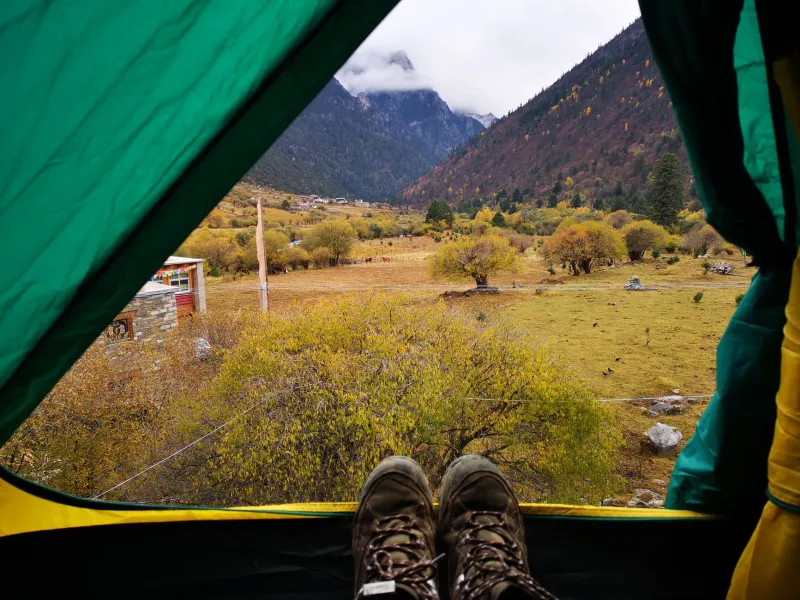
Boot organisers and modular cargo systems can be fitted to most estate cars and SUVs without permanent modification. For serious adventurers, a simple platform system built from plywood and aluminium extrusion can sit in the boot, giving you a flat sleeping surface above and storage below — a popular setup for wild camping across Scotland and Wales where campsite bookings aren't always possible or desirable.
Roof bars and a quality roof box extend your carrying capacity without sacrificing interior comfort. Just remember that anything on the roof raises your centre of gravity and increases fuel consumption — pack heavy items low and light items high.
Small touches make a big difference too: a set of all-weather rubber mats, a waterproof seat cover for wet dogs and muddy passengers, and a decent first aid kit tucked somewhere accessible.
The Bigger Picture
None of this has to happen all at once. The beauty of building up a capable adventure vehicle gradually is that you learn what you actually need through experience rather than spending a fortune upfront on kit that never leaves the garage.
Start with tyres — they'll transform your confidence immediately. Add recovery essentials before your first proper off-road outing. Work on suspension and protection as your ambitions grow.
Britain's wild places are genuinely spectacular, and they're more accessible than most people realise. You don't need a purpose-built expedition truck to reach them — just a sensible vehicle, the right gear, and a bit of willingness to get your boots muddy.
At Palm Equipment, we stock a solid range of recovery gear, cargo solutions, and all-weather accessories to help you make the most of whatever you're driving. Whether you're planning a weekend in Snowdonia or a fortnight exploring the North Coast 500, we've got the kit to get you there and back.