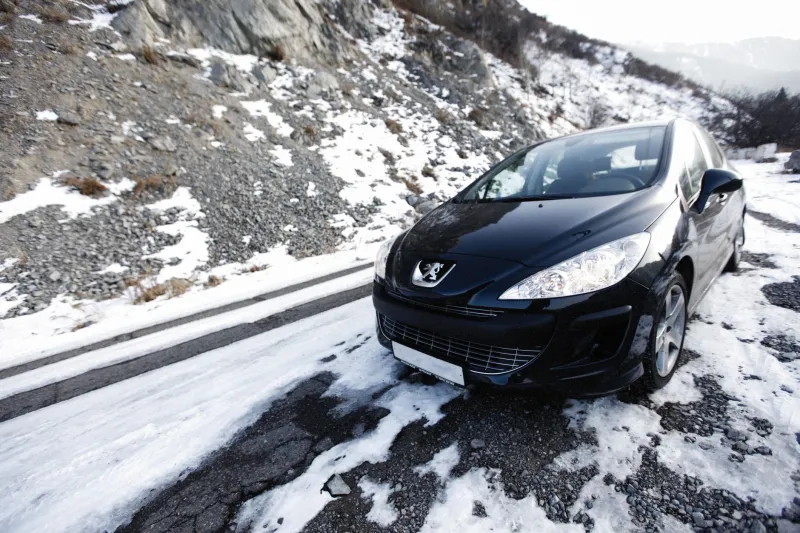
Your Car, Your Basecamp: The Ultimate Guide to Vehicle-Based Adventure in the UK
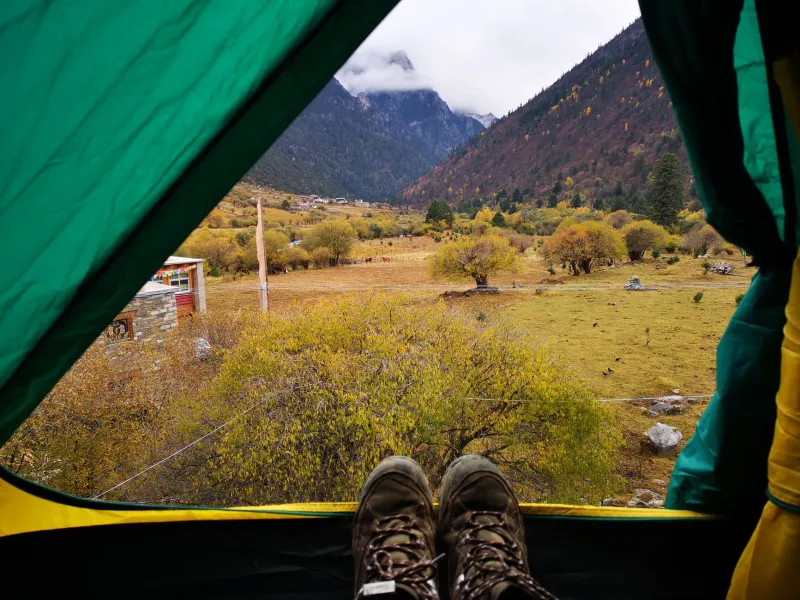
There's something quietly brilliant about pulling up to a remote Scottish glen or a Dartmoor car park at dusk, popping the boot, and having everything you need right there — sleeping kit, food, navigation gear, the lot. No hotel booking faff, no lugging bags through a campsite. Just you, your car, and the open road.
Vehicle-based camping has exploded in popularity across the UK, and it's not hard to see why. It sits in that sweet spot between wild camping and full-on glamping — more flexible than a static tent setup, more affordable than a campervan, and frankly a lot more satisfying when you've got it dialled in properly.
Whether you're driving a Skoda Octavia estate, a battered Land Rover Defender, or even a hatchback with decent boot space, the principles are the same. Let's break it down.
Start With a Honest Look at Your Space
Before you start throwing gear at the problem, spend ten minutes actually measuring your boot and rear cabin space. It sounds obvious, but most people skip this step and end up with kit that doesn't fit or can't be accessed without unpacking everything else first.
Note the depth, width, and height of your load area with the rear seats folded (if they fold — check this). Also clock whether the floor is flat when the seats go down, because that makes a huge difference for sleeping. Estate cars and SUVs tend to win here, but plenty of hatchback owners have cracked the code with a bit of creativity.
If sleeping in the car is part of the plan, consider a purpose-built car camping mat or a self-inflating sleeping pad cut to size. Brands like Vango and Outwell make options well-suited to UK conditions, and they compress down nicely when you're back to commuter mode on Monday morning.
The Gear That Earns Its Place
Space is currency in a vehicle setup. Every item needs to justify its presence — ideally by doing more than one job.
Sleeping and shelter: A quality sleeping bag rated to at least -5°C is sensible for year-round UK use (yes, even August in the Cairngorms). Pair it with a lightweight liner for warmer nights. A compact bivvy bag or tarp gives you options if you'd rather sleep outside the car, and doubles as emergency weather protection.
Cooking: A single-burner gas stove — the kind that screws onto a small canister — takes up barely any room and transforms your options at the roadside. Add a lightweight titanium pot, a spork, and a small cutting board, and you've got a functional field kitchen. Keep a sealed bag of essentials: instant oats, coffee, a few teabags, and some noodles. You'll thank yourself at 7am in a wet Cumbrian layby.
Power: A decent portable power station or even a well-specced USB battery bank keeps your phone charged, your head torch topped up, and — if you go for a larger unit — can run a small 12V cool box to keep food fresh. Solar panels that clip to a window or drape over the roof have come down in price considerably and are worth considering for longer trips.
Navigation and comms: Don't rely solely on your phone. A waterproof OS map of your area and a basic compass weigh next to nothing and work without signal. If you're heading into genuinely remote terrain, a personal locator beacon (PLB) is a sensible investment.
Smart Storage: The Secret Weapon
Disorganised kit is the enemy of a good setup. Things that are hard to find get left behind or, worse, cause you to turn the whole boot upside down at midnight in the rain.
A few solutions that work brilliantly in practice:
- Boot organisers and cargo nets keep loose items from rolling around and make categories of kit easy to find at a glance.
- Stackable dry bags in different colours let you colour-code by category — red for first aid, green for food, blue for clothing, and so on.
- A small roof box or rooftop bag dramatically increases your carrying capacity without touching the interior. These are particularly useful for bulkier, less frequently accessed items like spare layers or recovery gear.
- Under-seat storage is criminally underused. Flat, shallow boxes that slide under the front seats are perfect for maps, snacks, and small tools.
If you're doing this regularly, it's worth building a semi-permanent setup — a plywood platform in the boot with storage drawers underneath is a weekend project that pays dividends for years.
Keeping It Legal and Sensible
A quick word on overnight parking in the UK, because it trips people up. Wild camping is only legal by default in Scotland under the Land Reform (Scotland) Act 2003. In England and Wales, you technically need landowner permission, though in practice many remote spots are tolerated. Forestry England car parks, some National Trust locations, and dedicated wild camping spots are your friends here.
Always leave no trace, park considerately, and check local bylaws before you settle in for the night. The Ordnance Survey app and sites like Park4Night are useful for finding legitimate overnight spots.
Also make sure your vehicle is mechanically sound before any off-the-beaten-track adventure. A spare tyre (a full-size one, not a space-saver), a basic tool kit, jump leads, and a tow rope are baseline sensibles that should live in the car regardless.
The Mindset Shift
Here's the thing about vehicle-based adventure that doesn't get said enough: it's not about having the most expensive kit or the most tricked-out setup. It's about lowering the barrier between your everyday life and the outdoors.
When your car is already prepped — sleeping kit packed, food bag stocked, power bank charged — the decision to head out after work on a Friday becomes almost frictionless. That's the real value. Not the gadgets, but the freedom they enable.
Start simple. A sleeping bag, a stove, and a good map will get you further than you think. Build the setup gradually as you learn what you actually use and what just takes up space. Talk to other vehicle campers — there's a genuinely welcoming community around this in the UK, from overlanding Facebook groups to local trail clubs.
Your car is already more capable than you think. Give it a chance to prove it.