The British Driver's Year: A Practical Gear Calendar for Every Season
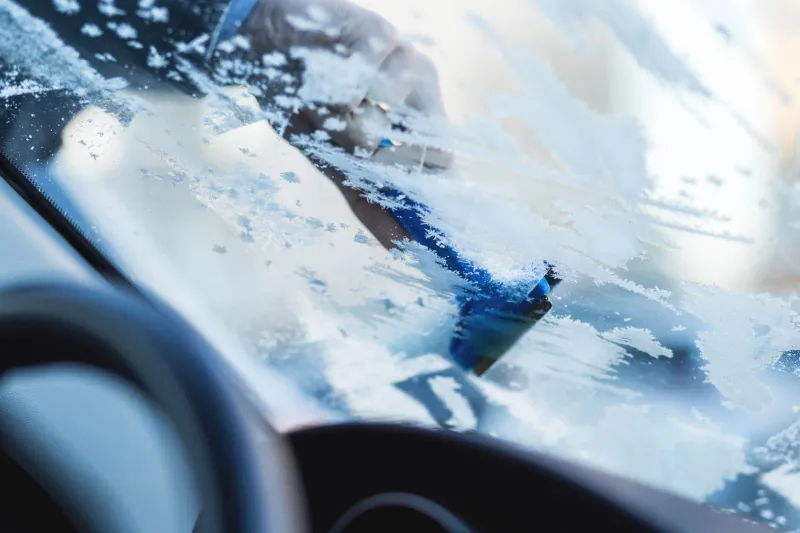
British weather has a way of catching drivers off guard even when it really shouldn't. We know winter is coming. We know the clocks change. We know that October turns the roads into a skating rink of wet leaves and that February can throw ice at you without warning. And yet, every year, the same scramble happens: digging out the ice scraper in November, realising the windscreen washer fluid is still summer formula in December, discovering the travel blanket is still in the garage from last spring.
The fix isn't complicated. It's a calendar. Not a rigid schedule, but a rough framework for rotating your car's gear in line with the seasons — so you're always driving with what the conditions actually demand, rather than what was relevant three months ago.
Here's how that looks across a British year.
January to March: Winter Isn't Done With You Yet
The temptation in late January is to think the worst is over. It isn't. February and early March are statistically some of the most dangerous months on UK roads — ice is still a daily risk, daylight is limited, and driver fatigue from the dark months runs high.
Your winter kit should still be fully in place and accessible:
- Ice scraper and de-icer — in the cabin, not the boot. If the boot is frozen shut, you need these before you can access anything else.
- Winter washer fluid — check the reservoir is topped up with a formula rated to at least -15°C. Summer fluid freezes in the jets and on the screen.
- Winter wiper blades — if you switched these in November, check they're still performing well. Worn winter blades smear rather than clear.
- Traction aids — a small bag of grit or cat litter in the boot is old advice, but it still works. If you get stuck on ice, having something to provide grip under the tyres can save a lot of time and embarrassment.
- Emergency blanket and warm layers — keep these in the car through March at minimum. Breaking down in February cold is a genuine risk, not a remote one.
This is also a good time to check your battery. Cold weather is hard on car batteries, and many that struggle through winter finally give up in early spring when people start making longer journeys again.
April to June: The Spring Reset
Once the risk of sustained freezing temperatures passes — typically mid-to-late April in most of England and Wales, later in Scotland — it's time to rotate your kit.
Out: Winter wiper blades (swap back to standard), heavy emergency blanket, traction aids, de-icer.
In: Summer washer fluid, a lighter travel layer for cooler mornings, and — if you're planning any spring adventures — your outdoor and camping gear.
Spring is also the best time for a proper maintenance check before the summer driving season. Tyres that have been through a hard winter deserve inspection: check tread depth, look for sidewall cracking, and check pressures (cold weather deflates tyres gradually and many drivers don't notice the difference until they're on a motorway).
This is also when to think about your sun visor and window shade situation. UK spring sun can be surprisingly low and blinding, particularly on early morning and evening commutes. A good quality sun shade for the windscreen when parked also prevents the cabin from becoming unbearable on warm days.
July to August: Summer Driving and Adventure Readiness
British summers are unpredictable — we might get a fortnight of genuine heat or a succession of grey, damp days with occasional sunshine. Gear accordingly for both.
For hot spells:
- Rear window sun shades — keep the back seat bearable for passengers and children.
- Portable fan or 12V fan — useful for rear passengers when aircon doesn't reach.
- Coolant level check — overheating is more common in summer. Make sure your coolant is at the correct level and hasn't degraded.
- Tyre pressure check — hot tarmac increases tyre pressure. Check pressures when cold and adjust to manufacturer recommendations.
For summer adventures — festivals, camping trips, coastal drives, Highland routes:
- Roof box or cargo carrier — if you're loading the car up for a week away, roof storage keeps the cabin liveable.
- Recovery traction boards — if you're heading onto beaches, forest tracks, or rough campsites, these are worth having. They're compact and can get you out of soft ground situations quickly.
- A proper first aid kit — summer activities increase the likelihood of minor injuries. Make sure yours is stocked and in date.
September to October: The Autumn Transition
This is perhaps the most underrated danger period on British roads. Wet leaves create genuinely treacherous conditions — they're as slippery as ice on bends and junctions, and they're invisible in low light. Daylight saving ends in late October, and suddenly your evening commute is in the dark.
Autumn gear priorities:
- Check your lights — all of them. Headlights, brake lights, indicators. Bulbs fail gradually and you often don't notice until someone flags it. Clean the lenses too — grime accumulates over summer and significantly reduces output.
- Visibility kit — if you've been without a hi-vis vest or warning triangle, sort it now before you need it in the dark.
- Start transitioning washer fluid — begin mixing in winter-rated fluid from October. By November you want a full winter mix.
- Tyres — if you run seasonal tyres, early October is when to book the switch. Tyre fitters get very busy in November. Get ahead of it.
November to December: Full Winter Readiness
By early November, your car should be in full winter configuration. The checklist:
- Winter wiper blades fitted
- Winter washer fluid in the reservoir
- Ice scraper and de-icer in the cabin
- Emergency kit checked and stocked: blanket, torch, jump starter, first aid kit, warning triangle, hi-vis vest
- Battery checked — most garages will do a free battery health test
- Tyre tread and pressure confirmed
December adds one more consideration: the holiday driving season. More cars on the road, more fatigue, more unfamiliar routes. Make sure your in-car tech is updated — sat-nav maps, phone mounts, charging cables — and that your boot is organised enough to access your emergency kit quickly if you need it.
The Mindset Behind the Calendar
The point of all this isn't to make driving feel like a military operation. It's to shift from reactive to proactive — to stop being the person who realises their ice scraper is missing when they're already late on a frozen morning.
Four seasonal check-ins a year. An hour each time, at most. That's what it takes to make sure your car is genuinely ready for whatever the British weather decides to throw at it next.