Cold Weather, Hot Mess: Building the Perfect Winter Car Survival Kit for UK Drivers
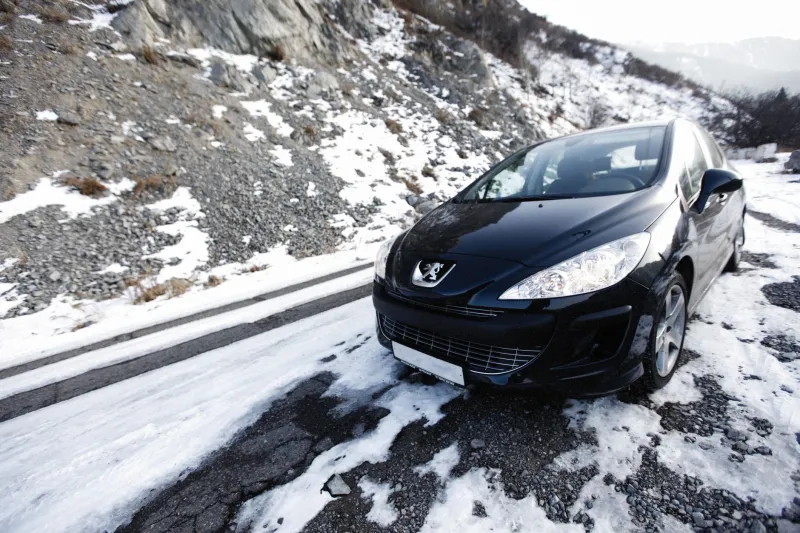
Let's be honest — British winters have a habit of sneaking up on you. One morning it's a grey but manageable commute through the Cotswolds, and by lunchtime you're stranded on an ungritted B-road somewhere near Skipton with no signal and a rapidly cooling engine. It happens more often than people think, and the difference between a minor inconvenience and a genuine emergency often comes down to what you've got stashed in your boot.
At Palm Equipment, we're all about making sure drivers and adventurers are properly geared up for whatever the road throws at them. So here's our no-nonsense, genuinely useful guide to building a winter car survival kit that'll have you covered from the first frost all the way through to those miserable grey days in late February.
Start With the Basics: Emergency Essentials Nobody Should Skip
Before we get into the clever stuff, let's talk about the kit that forms the foundation of any decent winter car pack. These are the items that emergency services and breakdown organisations consistently recommend, and yet most drivers still don't carry them.
A high-visibility vest is non-negotiable. If you break down on the M6 at night in driving rain, you need to be seen. Keep one in the glovebox rather than the boot — because if your boot is wedged shut after a prang, you want it accessible.
Warning triangles are another must. Place one at least 45 metres behind your vehicle on a single carriageway, further on a motorway. Some drivers now opt for LED road flares instead, which are arguably more visible in fog and heavy snow.
A torch with spare batteries, or better yet a wind-up or USB-rechargeable model, should live permanently in your car. Head torches are especially handy if you need both hands free to change a tyre in the dark.
Thermal Protection: Staying Warm When Your Heating Packs In
This is where things get serious. A car without a working engine on a cold January night can drop to dangerous temperatures surprisingly quickly. Hypothermia is a genuine risk for anyone — especially older drivers, children, or those with health conditions.
Emergency foil blankets (also called space blankets or mylar blankets) are incredibly compact and genuinely effective at retaining body heat. Chuck a couple in your kit — they weigh almost nothing and take up barely any space.
Beyond that, consider keeping a proper fleece or insulated blanket in the car. Something you'd actually want to wrap around yourself, not just a paper-thin novelty. A sleeping bag rated for cold temperatures is worth considering if you regularly drive rural routes in winter.
Thermal gloves and a hat might sound obvious, but you'd be amazed how many people set off on long winter drives in just a light jacket. If you're changing a tyre in -5°C with no gloves, you'll lose dexterity fast — and that's when accidents happen.
Hand warmers — both single-use chemical ones and rechargeable electric versions — are a brilliant addition. They're cheap, compact, and genuinely brilliant when you're waiting for the RAC in a snowdrift.
Vehicle Recovery and Maintenance Tools
Getting yourself warm is one thing. Getting your car moving again is another. Here's what to carry:
Jump leads or a portable jump starter pack — the latter is far more practical since you don't need another vehicle to use it. Modern lithium-ion jump starter packs are small enough to fit in a laptop bag and can start a standard petrol or diesel engine multiple times on a single charge. A flat battery is the most common winter breakdown cause in the UK, so this one really is worth the investment.
A tyre inflator (the 12V plug-in kind) paired with a can of tyre sealant can get you moving after a slow puncture without having to faff about with a spare in the rain. Speaking of which — check that your spare tyre is actually inflated and in usable condition before winter hits.
A snow shovel might feel excessive if you live in Surrey, but for anyone in Scotland, Wales, the Pennines, or rural parts of England, a compact folding shovel can literally be the difference between getting out of a snow drift and spending the night in your car.
Traction aids — whether that's a bag of grit, cat litter (an old favourite), or purpose-made traction mats — are worth keeping if you park on a slope or regularly navigate ungritted roads. Traction mats are reusable and surprisingly effective at giving your tyres something to grip on ice or compacted snow.
A de-icer spray and a proper ice scraper should already be in every UK car from October onwards. Get a long-handled scraper so you can actually reach the centre of your windscreen without climbing on the bonnet.
Food, Water, and the Practical Stuff
If you're stuck for several hours — which is entirely plausible during a major snow event — you'll want more than just warmth.
Keep a small supply of non-perishable snacks: cereal bars, nuts, dried fruit, chocolate. Nothing fancy, just enough to keep energy levels up while you wait for help. A flask of hot drink is a wonderful thing if you've planned ahead, but a portable travel kettle that runs off your 12V socket is a clever longer-term option.
Water is often overlooked but essential. A couple of sealed 500ml bottles won't take up much space and could matter a great deal if you're stuck for a long time.
A fully charged power bank for your phone is critical — because without your phone, you can't call for help, navigate, or let anyone know where you are. Keep a car charging cable in the glovebox as a backup.
Finally, keep a basic first aid kit in the car year-round, but double-check it before winter. Plasters and antiseptic wipes are useful; a foil blanket (yes, another one) and some pain relief tablets are worth adding if your standard kit doesn't include them.
Quick Winter Car Kit Checklist
Here's a summary to make things easy:
- ✅ High-vis vest (in the cab, not the boot)
- ✅ Warning triangles or LED road flares
- ✅ Head torch with fresh batteries
- ✅ Emergency foil blankets (x2 minimum)
- ✅ Warm blanket or sleeping bag
- ✅ Thermal hat and gloves
- ✅ Hand warmers
- ✅ Portable jump starter pack
- ✅ Tyre inflator and sealant
- ✅ Compact folding snow shovel
- ✅ Traction mats or grit
- ✅ De-icer spray and ice scraper
- ✅ Non-perishable snacks and water
- ✅ Power bank and charging cable
- ✅ First aid kit
Don't Wait Until It's Snowing
The biggest mistake drivers make is thinking about all this after the first proper cold snap hits. By then, half the country is panic-buying de-icer and the good portable jump starters are out of stock everywhere. Get your kit sorted now, while the shops are well-stocked and the roads are still manageable.
Winter driving in the UK doesn't have to be stressful — it just requires a bit of preparation. And at Palm Equipment, that's exactly what we're here to help with. Browse our range of winter driving essentials and make sure your boot is ready for whatever January decides to throw your way.